
Bali has become one of the world’s most popular destinations for yoga teacher training, attracting aspiring instructors and dedicated practitioners from across the globe. With its peaceful surroundings, rich spiritual traditions, and diverse range of Yoga Alliance-certified programs, it’s easy to see why so many people choose the Island of the Gods for their certification journey. However, not every yoga school offers the same quality of education or experience.
Before investing your time, money, and energy, it’s important to evaluate your options carefully. Here are ten essential factors to consider before booking the Best Yoga Teacher Training Bali, ensuring your experience is both meaningful and professionally rewarding.
Check the School’s Accreditation
The first thing you should verify is whether the yoga school is accredited by Yoga Alliance or another recognised certification body. Accredited schools follow established educational standards and provide certifications that are widely accepted internationally.
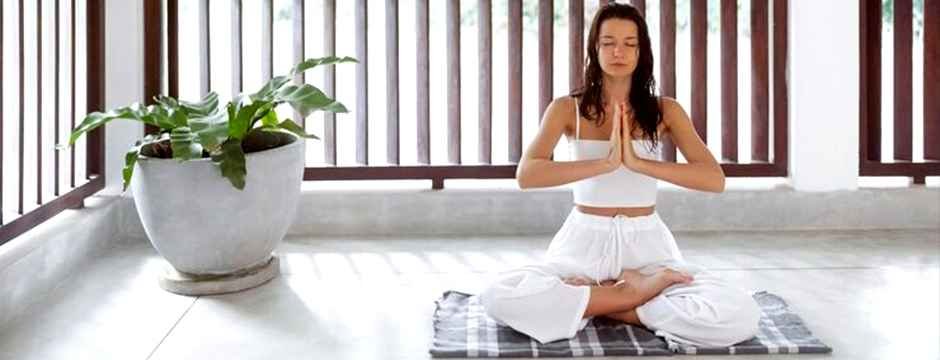
A recognised certification also makes it easier to teach professionally in studios, wellness centres, retreats, or online after graduation.
Understand the Teaching Style
Not every yoga teacher training follows the same approach. Some schools focus primarily on Hatha Yoga, while others specialise in Vinyasa, Yin Yoga, Ashtanga, or an integrated Yin & Yang curriculum.
Before booking, ask yourself:
- Which yoga style resonates with your personal practice?
- Are you looking for a physically demanding program or a more meditative experience?
- Does the curriculum align with your long-term teaching goals?
Choosing a style that matches your interests will make the training far more enjoyable and beneficial.
Review the Curriculum Carefully
The Best Yoga Teacher Training Bali extends far beyond learning yoga poses.
Look for programs that include:
- Yoga philosophy
- Functional anatomy
- Meditation
- Pranayama (breathwork)
- Teaching methodology
- Class sequencing
- Hands-on adjustments
- Ethics and professionalism
The best programs balance theory with practical teaching experience, preparing students to confidently lead real classes after graduation.
Research the Teachers’ Experience
Your instructors will significantly influence your learning experience.
Before enrolling, research:
- Years of teaching experience
- Yoga certifications
- Areas of specialization
- Student reviews
- Personal teaching philosophy
Experienced teachers don’t simply demonstrate poses—they mentor students, provide personalised feedback, and help build confidence throughout the course.
Consider Class Size
Smaller groups often provide a more personalised learning environment.
A core yoga teacher training with 10–20 students allows instructors to:
- Correct alignment individually
- Answer questions thoroughly
- Observe teaching practice
- Offer meaningful feedback
Large classes may reduce opportunities for one-on-one guidance, which is especially important if you’re learning to teach for the first time.
Evaluate the Location
Bali offers several popular yoga destinations, each with a unique atmosphere.
Ubud
Known for lush rice fields, temples, and spiritual energy, Ubud is ideal for immersive yoga experiences and self-discovery.
Canggu
Perfect for students seeking a balance between yoga training and an active social lifestyle.
Uluwatu
Offers beautiful ocean views and a quieter environment, making it excellent for reflection and focused practice.
Choose a location that complements the type of experience you’re hoping to have during your training.
Understand What’s Included
Course prices can vary significantly, so always compare what’s included.
Some programs provide:
- Accommodation
- Healthy vegetarian or vegan meals
- Airport transfers
- Training manuals
- Yoga props
- Weekend excursions
- Certification fees
Others may charge separately for these essentials.
Knowing the total cost beforehand helps avoid unexpected expenses and makes budgeting easier.
Read Genuine Student Reviews
Testimonials can reveal valuable insights that course descriptions often don’t mention.
Look for comments about:
- Teaching quality
- Accommodation standards
- Food
- Staff support
- Learning atmosphere
- Personal transformation
- Post-course support
Consistent positive feedback from graduates is usually a strong indicator of a reputable yoga school.
Think Beyond Certification
Many people begin yoga teacher training simply wanting to deepen their personal practice.
However, ask yourself:
- Do you eventually want to teach professionally?
- Are you interested in advanced certifications?
- Would you like mentorship after graduation?
The best schools continue supporting students even after the course ends through alumni communities, workshops, online resources, and continuing education opportunities.
Popular Yoga Teacher Training Courses in Bali
Whether you’re looking to deepen your personal practice or begin a professional teaching career, the affordable yoga class Bali price is perfect for every experience level. Here’s a quick comparison of some of the most popular certification options.
| Course | Duration | Level | Certification | Ideal For |
| 50-Hour Yin Yoga Teacher Training | 6 Days | Beginner to Intermediate | YACEP 50 (Yoga Alliance) | Yoga practitioners looking to deepen their Yin Yoga practice or earn continuing education credits. |
| 100-Hour Yin Yoga Teacher Training | 12 Days | Beginner to Intermediate | YACEP 100 (Yoga Alliance) | Students seeking a more comprehensive understanding of Yin Yoga before pursuing advanced certifications. |
| 200-Hour Yin & Yang Yoga Teacher Training | 21 Days | Beginner to Intermediate | RYT-200 (Yoga Alliance) | Aspiring yoga teachers who want a globally recognised foundational certification to teach professionally. |
| 300-Hour Yin & Yang Yoga Teacher Training | 28 Days | Intermediate to Advanced | RYT-300 (Yoga Alliance) | Certified yoga teachers looking to enhance their expertise, expand their teaching skills, and progress toward the RYT-500 pathway. |
Choosing the right course depends on your goals. If you’re exploring yoga for personal growth, a 50-hour or 100-hour Yin Yoga Teacher Training provides an excellent introduction. However, if you aim to become a certified yoga instructor, the 200-hour Yin & Yang Yoga Teacher Training is the industry-standard qualification recognised by Yoga Alliance. Experienced instructors who already hold an RYT-200 certification can further refine their skills through the 300-hour Yin & Yang Yoga Teacher Training, gaining advanced knowledge in teaching methodology, anatomy, sequencing, and yoga philosophy.
Choose a School That Matches Your Values
Yoga is about much more than physical exercise.
A meaningful teacher training should promote:
- Mindfulness
- Compassion
- Authenticity
- Personal growth
- Respect for traditional teachings
- Community connection
The school’s philosophy should align with your own intentions and reasons for beginning this journey.
Rather than choosing based solely on price or popularity, select a program where you genuinely feel supported, inspired, and encouraged to grow.
Questions to Ask Before Booking
Before making your final decision, ask the school a few important questions:
- Is the certification internationally recognised?
- How many teaching practice sessions are included?
- What qualifications do the instructors have?
- What is the average class size?
- Are meals and accommodation included?
- What level of yoga experience is required?
- What happens after graduation?
- Are there any hidden costs?
Clear communication before enrollment often reflects the professionalism of the school itself.
Why Bali Continues to Be a Top Yoga Destination?
Bali offers a unique combination of natural beauty, cultural richness, and spiritual tradition that few destinations can match.
Students often describe their experience as life-changing because they benefit from:
- Peaceful surroundings
- Daily meditation and mindfulness
- Healthy lifestyle habits
- International yoga communities
- Traditional Balinese culture
- Opportunities for self-reflection
This environment naturally supports the personal transformation that yoga teacher training is designed to cultivate.
Common Mistakes to Avoid
Many students rush into booking without doing enough research.
Avoid these common mistakes:
- Choosing solely based on the lowest price
- Ignoring accreditation
- Not reading reviews
- Overlooking instructor qualifications
- Failing to compare course content
- Underestimating accommodation quality
- Forgetting to budget for additional travel expenses
Taking time to research thoroughly often leads to a far more rewarding experience.
Final Notes
Choosing the best yoga teacher training Bali is about finding a program that aligns with your personal goals, learning style, and vision for the future. A well-structured course should provide experienced teachers, comprehensive education, supportive mentorship, and an inspiring environment that encourages both personal and professional growth. Rather than selecting a school based only on cost or popularity, focus on the overall quality of the learning experience.
If you’re looking for an authentic, Yoga Alliance-certified training that combines traditional teachings with a personalised approach, consider exploring the programs offered by Yin Yoga Bali. Our courses include Yin Yoga, Hatha Yoga, and comprehensive Yin & Yang teacher training designed to help students deepen their practice while developing the confidence to teach worldwide.