
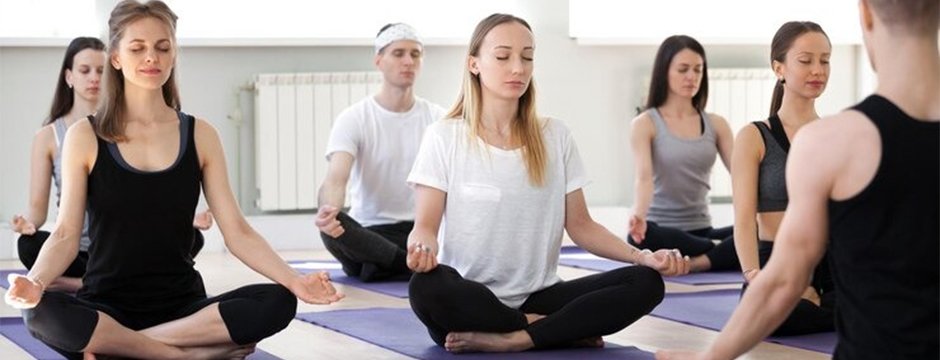
Strength is often misunderstood. For many, it’s about visible muscle tone, intense workouts, or how long you can hold a plank. But true strength—lasting, transformative strength—begins much deeper. It begins in the core, not just physically, but energetically and mentally. Core yoga teacher training is not about sculpting abs; it’s about cultivating stability, awareness, and resilience from the inside out.
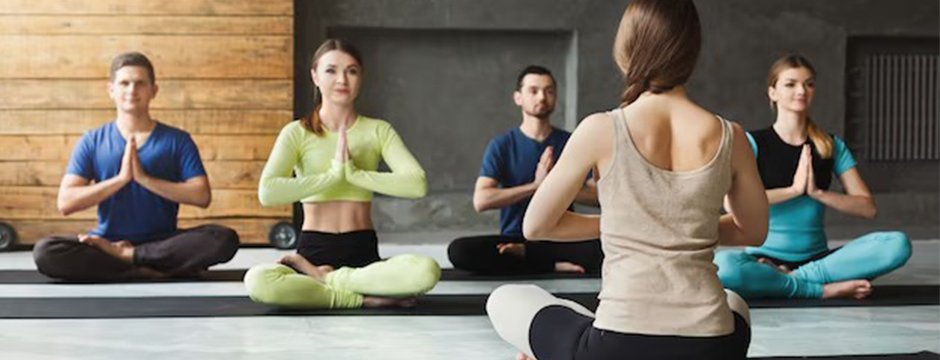
When you commit to a structured training program, you’re stepping into a process that strengthens your body, sharpens your focus, and deepens your emotional intelligence. You learn to engage muscles you didn’t know you had. You learn to breathe through discomfort. You learn to hold space—not just for yourself, but for others. Over time, that internal work begins to reflect outwardly in your posture, your presence, and your confidence. In this blog, we’ll explore how this type of training truly builds strength from the inside out.
Understanding the “Core” Beyond Abs
When people hear “core,” they often imagine the rectus abdominis—the six-pack muscle. But in yoga teacher training, the core is far more comprehensive.
Your core includes:
- Transverse abdominis (deep abdominal stabiliser)
- Obliques
- Pelvic floor muscles
- Diaphragm
- Multifidus (deep spinal stabilisers)
Together, these muscles form a 360-degree support system around your spine and organs. Core-focused training teaches you how to activate these layers intelligently. Instead of gripping or forcing, you learn subtle engagement—what yoga refers to as bandhas, or energetic locks.
This internal activation protects the spine, improves posture, and creates lightness in movement. You begin to move from stability rather than strain.
Building Physical Stability and Injury Prevention
One of the first things trainees notice is improved alignment. Core yoga teacher training emphasises:
- Proper engagement in standing poses
- Safe transitions between postures
- Stability in balancing poses
- Controlled entry and exit from inversions
Without core stability, many yoga poses rely on joint compression or momentum. With core awareness, movement becomes deliberate and supported.
This reduces:
- Lower back pain
- Shoulder strain
- Knee misalignment
- Hip instability
Instead of collapsing into your joints, you learn to distribute effort evenly through the body. That internal lift changes everything.
Breath as the Foundation of Strength
In core training, breath is not an afterthought—it’s central.
The diaphragm is a core muscle. When you breathe consciously, you activate and coordinate deep abdominal support. Techniques like:
- Ujjayi pranayama
- Diaphragmatic breathing
- Breath retention practices
teach you how to stabilise from within.
You discover that strength is not about tension; it’s about controlled expansion and contraction. Breath becomes your anchor in challenging postures. It builds endurance without rigidity.
Over time, you stop holding your breath during effort. Instead, you ride the breath. That shift alone transforms how strength feels in your body.
Mental Resilience Through Core Work
Holding a long plank or maintaining stability in boat pose (Navasana) is as much mental as physical. Core-focused teacher training develops psychological strength in subtle but powerful ways.
You learn to:
- Stay present in discomfort
- Observe internal dialogue
- Differentiate between pain and intensity
- Regulate stress through breath
This builds resilience. You begin to recognise that you can remain steady even when sensations are strong. That steadiness translates into daily life—difficult conversations, work challenges, emotional triggers.
Core training trains your nervous system to remain grounded.
Emotional Grounding and Inner Awareness
The core region is energetically associated with the Manipura Chakra, often referred to as the solar plexus centre. This energy centre governs:
- Confidence
- Personal power
- Self-discipline
- Transformation
While teacher training is rooted in anatomy and movement science, it also integrates yogic philosophy. As you strengthen your core physically, you often experience shifts emotionally.
Trainees report:
- Greater self-trust
- Clearer boundaries
- Increased motivation
- Improved decision-making
This is strength from the inside out—not just muscle tone, but empowered presence.
Developing a Strong Teaching Presence
If you’re pursuing yoga teacher training, physical ability alone isn’t enough. You must cultivate grounded leadership.
Core stability affects:
- Your posture while teaching
- Your vocal projection
- Your ability to demonstrate safety
- Your endurance during long teaching hours
When your core is active and aligned, you stand differently. You speak with more resonance. You hold space with calm authority.
Students feel that steadiness. It’s subtle but powerful.
Core training supports sustainable teaching careers because it prevents burnout and physical strain.
Functional Strength for Daily Life
The best yoga teacher training Bali doesn’t isolate muscles for aesthetics. It builds integrated, functional strength.
You’ll notice improvements in:
- Lifting and carrying
- Sitting posture
- Walking mechanics
- Athletic performance
- Balance and coordination
The deep core stabilises every movement. When it’s active, your limbs move freely and efficiently.
This is why many trainees say they feel “lighter” yet stronger. Energy is no longer wasted compensating for weak stabilisers.
The Role of Intelligent Sequencing
In teacher training, you don’t just practice core work—you learn how to sequence it intelligently.
You understand:
- When to activate core engagement
- How to prepare the body progressively
- How to modify for different levels
- How to avoid overtraining
True strength develops through balance—effort and recovery, contraction and release. Overworking the superficial abs can create tightness and imbalance. Training programs emphasise integration with:
- Hip mobility
- Thoracic spine extension
- Shoulder stability
- Pelvic alignment
This holistic approach ensures strength is sustainable
From Effort to Effortlessness
At the beginning of training, the yoga course Bali activation can feel intense and unfamiliar. But over time, engagement becomes natural.
You no longer “try” to stabilise—it happens automatically.
This is where the inside-out transformation becomes visible:
- Posture improves effortlessly
- Balance becomes steady
- Movements look fluid
- Confidence feels natural
Strength becomes embodied, not forced.
Why Environment Matters in Core Yoga Teacher Training?
Where you train influences how deeply you absorb the practice.
An immersive environment allows you to:
- Practice daily with focused intention
- Study anatomy and philosophy in depth
- Receive personalized feedback
- Connect with a supportive community
When surrounded by nature and like-minded practitioners, your nervous system relaxes. Learning accelerates. You internalise strength rather than perform it.
Final Words
Core yoga teacher training is far more than a physical conditioning program. It is a systematic journey into stability, breath awareness, resilience, and embodied confidence. By strengthening the deep muscles that support your spine and coordinating them with breath and mindfulness, you create a foundation that transforms both your practice and your life.
If you’re ready to deepen your practice and experience this transformative process in an immersive setting, explore the core yoga teacher training programs at Yin Yoga Bali. Surrounded by supportive guidance and a nurturing environment, you can develop the physical, mental, and energetic strength that sustains a lifelong yoga journey.