
Choosing the right yoga certification course can shape your future as a yoga teacher and deepen your personal practice. However, many aspiring instructors rush into programs without researching the course structure, teaching methodology, accreditation, or style specialisation. This often leads to disappointment, wasted money, and incomplete learning experiences.
Whether you are considering Yin Yoga, Vinyasa, Hatha, or multi-style training, understanding common mistakes beforehand can help you make a confident and informed decision. From ignoring the curriculum to overlooking the importance of experienced mentors, this guide explains the major yoga certification mistakes to avoid before enrolling in a course and how to choose a program that genuinely supports your growth.
Choosing a Course Based Only on Price
One of the most common mistakes students make is selecting a yoga teacher training course solely because it is cheap. While affordability matters, the lowest-priced certification may not provide quality education, practical teaching experience, or proper guidance.
A well-designed yoga course should include:
- Experienced instructors
- Comprehensive anatomy lessons
- Teaching methodology
- Practical teaching hours
- Philosophy and meditation practices
- Post-course support
Instead of focusing only on cost, evaluate the overall value of the program. A high-quality certification often becomes a long-term investment in your teaching career.
Ignoring the Yoga Style Specialisation
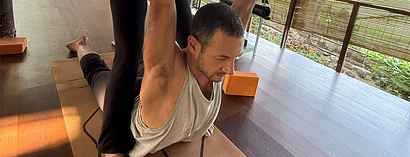
Not every yoga certification focuses on the same practice style. Some courses specialise in fast-paced Vinyasa, while others emphasise therapeutic or meditative practices like Yin Yoga.
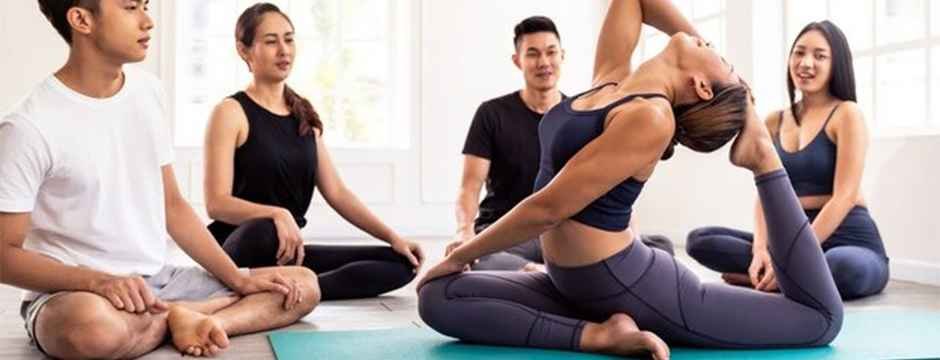
Students sometimes enrol in a general course without understanding what truly resonates with them. This can lead to burnout or a lack of passion later. If you are drawn to slow, mindful, and deeply restorative practices, Yin Yoga training may be a better fit than an intensive power yoga certification. Understanding your goals before enrolling helps you choose a course aligned with your teaching vision.
Overlooking Accreditation and Credibility
A yoga course may look attractive online, but it is important to verify whether the certification is recognised and respected in the yoga community.
Before enrolling, research:
- Instructor credentials
- School reputation
- Graduate reviews
- Teaching experience of trainers
- Accreditation standards
A credible certification increases your confidence and can improve future teaching opportunities both online and in studios worldwide.
Not Researching the Trainers
Many students focus only on the course name and destination while ignoring the instructors leading the training. The quality of teachers directly affects the quality of your learning experience.
A skilled yoga trainer should offer:
- Practical guidance
- Individual attention
- Strong communication skills
- Deep knowledge of anatomy and philosophy
- Real-world teaching insights
Research the instructors’ backgrounds, teaching styles, and years of experience before committing to a course.
Failing to Understand the Curriculum
Some yoga certifications by the best yoga teacher training Bali advertise broad learning outcomes but provide very little detail about what is actually taught.
Before enrolling, ask for a detailed curriculum that includes:
- Yoga anatomy
- Sequencing
- Meditation practices
- Philosophy
- Breathwork
- Teaching practice
- Alignment principles
- Injury prevention
A balanced curriculum ensures you graduate with practical skills instead of only theoretical knowledge.
Step-by-Step: How to Sequence a Yin Yoga Class Using Meridians
Understanding meridian-based sequencing is especially important for Yin Yoga teachers. Many students enrol in Yin Yoga certifications by the 200hr yoga teacher training Bali without learning how Traditional Chinese Medicine principles connect to the practice.
Here is a simple step-by-step guide to sequencing a Yin Yoga class using meridians:
Choose the Meridian Theme
Each class can focus on a specific meridian pair such as:
- Kidney & Urinary Bladder
- Liver & Gallbladder
- Heart & Small Intestine
Selecting a theme creates energetic consistency throughout the class.
Understand the Emotional Connection
Meridians are linked with emotional and energetic qualities. For example:
- Liver meridian: frustration and emotional flow
- Kidney meridian: fear and inner stability
- Heart meridian: joy and openness
This helps shape the emotional intention of the practice.
Select Appropriate Yin Poses
Choose poses that stimulate the target meridian lines.
Examples include:
- Butterfly Pose
- Dragon Pose
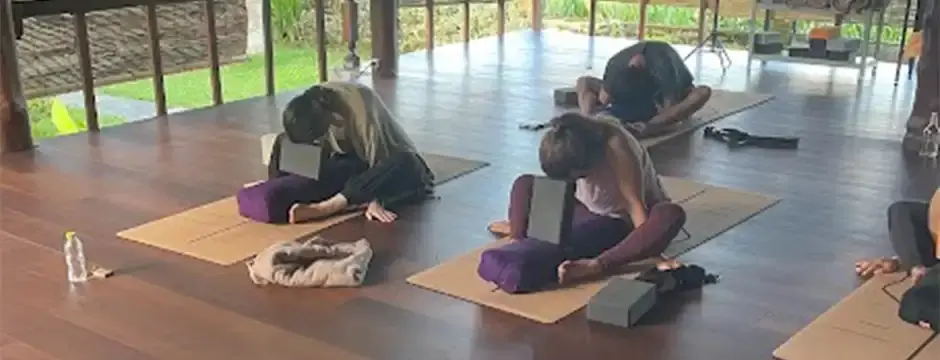
- Caterpillar Pose
- Shoelace Pose
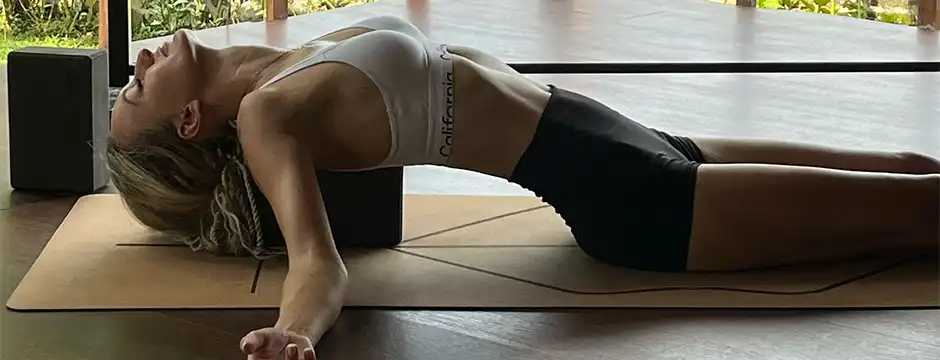
- Saddle Pose
The pose selection should encourage deep fascial release and energetic balance.
Create a Progressive Flow
Sequence the poses gradually:
- Begin with grounding postures
- Move toward deeper hip or spine work
- Finish with restorative poses and meditation
A smooth progression prevents energetic overwhelm.
Incorporate Breath Awareness
Breathing techniques help students remain present during long-held poses. Encourage slow nasal breathing and mindfulness throughout the class.
End with Reflection or Meditation
A Yin Yoga class should conclude with stillness, integration, and relaxation. Savasana or seated meditation allows the energetic work to settle deeply into the body.
Learning proper sequencing is essential for becoming a confident and knowledgeable Yin Yoga teacher.
Underestimating the Importance of Anatomy
Some aspiring teachers believe yoga anatomy is too technical or unnecessary. This is a serious mistake.
A strong understanding of anatomy helps teachers:
- Prevent injuries
- Offer safer adjustments
- Understand body limitations
- Teach with confidence
- Modify poses effectively
Look for courses that balance traditional yoga philosophy with modern anatomical education.
Choosing a Course Without Practical Teaching Experience
Reading manuals and watching demonstrations are not enough to become a yoga teacher. Practical teaching practice is essential.
A good certification program should include:
- Peer teaching sessions
- Feedback from instructors
- Real class simulations
- Voice and cueing practice
- Sequencing assignments
Without teaching practice, many graduates struggle to lead real classes confidently.
Ignoring Personal Readiness
Some people enrol in yoga teacher training because it looks trendy or because they want quick certification. However, yoga training can be emotionally and physically intense.
Before enrolling, ask yourself:
- Am I committed to regular practice?
- Am I open to self-reflection?
- Can I dedicate time and energy to learning?
- Am I emotionally prepared for personal growth?
Teacher training is often transformational, not just educational.
Forgetting to Check Post-Course Support
Many students finish their certification and feel lost afterwards. Schools that provide continued mentorship, online resources, or teaching support can make a major difference.
Post-course support may include:
- Community groups
- Continuing education workshops
- Teaching opportunities
- Mentorship sessions
- Practice resources
Ongoing support helps new teachers transition into professional teaching more smoothly.
Wrapping Up
Enrolling in a yoga certification course is a major step in both personal and professional growth. Avoiding common mistakes like choosing a course based only on price, ignoring accreditation, skipping curriculum research, or overlooking practical teaching experience can save you time, money, and frustration. Whether you are interested in traditional yoga training or specialised Yin Yoga studies, selecting the right program ensures a meaningful learning journey.
For students seeking authentic Yin Yoga education rooted in mindfulness, meridian theory, and deep self-awareness, Yin Yoga Bali offers immersive training experiences designed to support both personal transformation and professional teaching development.