


In today’s fast-paced world, maintaining physical health and emotional balance has become increasingly challenging. Stress, anxiety, sedentary lifestyles, and constant digital distractions often leave people feeling mentally exhausted and physically drained. This is where yoga training programs play a transformative role. More than just a form of exercise, yoga is a holistic practice that nurtures the mind, body, and spirit together.
Top yoga training programs are designed to improve flexibility, strength, emotional stability, and overall wellness through structured techniques, mindful breathing, and meditation practices. Whether you are a beginner or an experienced practitioner, enrolling in a high-quality yoga program can significantly enhance your quality of life and create lasting positive changes.
Understanding the Holistic Nature of Yoga
Yoga is not solely about physical postures. It is a complete wellness system that integrates movement, breathwork, mindfulness, and self-awareness. The best yoga training programs focus on the interconnected relationship between physical health and emotional well-being.
These programs generally include:
- Physical yoga postures (asanas)
- Breathing exercises (pranayama)
- Meditation practices
- Mindfulness training
- Relaxation techniques
- Nutritional guidance
- Emotional awareness practices
By combining these elements, yoga training programs help participants achieve harmony between the body and mind.
Physical Benefits of Top Yoga Training Programs
Improved Flexibility and Mobility
One of the most noticeable physical benefits of yoga is improved flexibility. Many people suffer from tight muscles and stiff joints due to prolonged sitting, poor posture, or lack of movement. Yoga stretches and lengthens muscles gradually, increasing overall mobility.
Regular participation in a yoga training program can help:
- Reduce muscle stiffness
- Improve posture
- Increase joint flexibility
- Enhance body alignment
- Prevent physical injuries
Better flexibility also contributes to improved daily movement and reduced physical discomfort.
Increased Strength and Endurance
Yoga is often underestimated as a strength-building practice. However, many yoga poses require significant muscle engagement and balance. Top yoga training programs use progressive techniques that strengthen core muscles, legs, arms, and the back.
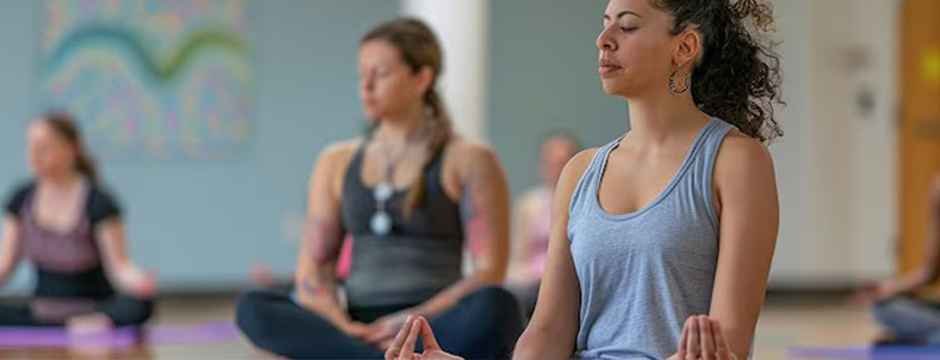
Unlike heavy gym workouts that may place excessive strain on the body, yoga develops functional strength in a controlled and mindful way. Improved muscular endurance helps participants perform everyday tasks with greater ease and energy.
Better Posture and Spinal Health
Modern lifestyles often involve long hours sitting at desks or using mobile devices, leading to poor posture and spinal problems. Yoga training focuses heavily on spinal alignment and body awareness.
Consistent practice helps:
- Correct posture imbalances
- Reduce back and neck pain
- Strengthen spinal support muscles
- Improve body mechanics
A healthier spine contributes not only to physical comfort but also to increased confidence and energy levels.
Enhanced Breathing Capacity
Breathwork is a central component of yoga training. Proper breathing techniques improve lung capacity and oxygen circulation throughout the body.
Pranayama exercises taught in quality yoga programs can:
- Improve respiratory efficiency
- Increase energy levels
- Reduce fatigue
- Support cardiovascular health
- Enhance concentration
Controlled breathing also activates the body’s relaxation response, helping reduce stress hormones.
Better Sleep Quality
Poor sleep has become a common issue due to stress, anxiety, and unhealthy routines. Yoga training promotes deep relaxation, which helps improve sleep patterns naturally.
Regular yoga practitioners often experience:
- Faster sleep onset
- Deeper sleep cycles
- Reduced insomnia symptoms
- Improved morning energy
Gentle evening yoga and meditation practices are particularly effective for calming the nervous system before bedtime.
Emotional and Mental Wellness Benefits
Stress Reduction
One of the primary reasons people join yoga training programs is stress management. Yoga activates the parasympathetic nervous system, which helps the body shift from a stressed state into a relaxed one.
One of the primary reasons people join yoga training programs is stress management. Yoga activates the parasympathetic nervous system, which helps the body shift from a stressed state into a relaxed one. Our 100 hour yoga teacher training bali program also focuses on mindfulness, meditation, and breathing practices to support emotional balance and mental wellness.
Mindful movement, meditation, and breathing exercises work together to lower cortisol levels and create a sense of calmness. Participants often report feeling mentally refreshed after sessions. Over time, yoga helps individuals respond to challenges more calmly and effectively.
Reduced Anxiety and Depression Symptoms
Numerous studies suggest that yoga can positively affect mental health conditions such as anxiety and depression. Top yoga training programs create a safe and supportive environment where individuals learn techniques to manage emotional struggles.
Yoga encourages:
- Emotional release
- Greater self-awareness
- Positive thinking patterns
- Improved mood regulation
- Increased mental clarity
Meditation and breathwork especially help quiet racing thoughts and improve emotional resilience.
Improved Mindfulness and Emotional Awareness
Many people go through life on autopilot, disconnected from their emotions and physical sensations. Yoga training teaches mindfulness, which means being fully present in the moment.
Mindfulness practices help participants:
- Understand emotional triggers
- Develop healthier responses
- Increase self-compassion
- Improve focus and attention
This heightened awareness can improve relationships, work performance, and personal happiness.
Greater Emotional Balance
Yoga encourages emotional stability by calming the nervous system and promoting mental clarity. Regular practice creates inner balance, helping individuals cope with difficult emotions more effectively.
People who participate in yoga training programs often become:
- More patient
- Less reactive
- More emotionally grounded
- Better at handling pressure
This emotional equilibrium positively impacts every aspect of life.
The Importance of Structured Yoga Training Programs
Guidance from Experienced Instructors
One major advantage of joining a professional yoga training program is access to skilled instructors. Proper guidance ensures that participants perform poses safely and effectively.
Experienced instructors can:
- Correct posture alignment
- Prevent injuries
- Provide personalized modifications
- Offer emotional support
- Deepen understanding of yoga philosophy
Their expertise helps students progress confidently and sustainably.
Consistency and Discipline
Many people struggle to maintain wellness routines independently. Structured yoga programs provide accountability and consistency, which are essential for long-term results.
Regular practice schedules help participants:
- Build healthy habits
- Stay motivated
- Experience measurable progress
- Maintain emotional balance
Consistency is one of the key reasons yoga delivers lasting benefits.
Community and Support
The best yoga teacher training programs often foster a strong sense of community. Practising alongside others creates emotional connection and encouragement.
Being part of a supportive environment can:
- Reduce feelings of isolation
- Increase motivation
- Improve confidence
- Encourage personal growth
The social aspect of yoga training can be deeply healing and empowering.
Yoga as a Long-Term Wellness Practice
Unlike short-term fitness trends, yoga is a lifelong wellness practice. The benefits continue to grow with time and consistency.
Long-term practitioners often experience:
- Improved overall health
- Greater emotional resilience
- Enhanced self-awareness
- Increased energy and vitality
- Better work-life balance
Yoga supports healthy ageing by maintaining flexibility, mental clarity, and emotional stability well into later years.
Choosing the Right Yoga Training Program
Not all yoga programs are the same. Selecting the right advanced yoga teacher training is important for achieving the best results.
When choosing a yoga program, consider:
Instructor Qualifications
Look for certified instructors with experience in teaching different skill levels.
Program Structure
A good program should include physical practice, meditation, breathwork, and wellness education.
Learning Environment
A calm and supportive atmosphere enhances the overall experience.
Personal Goals
Different yoga styles serve different purposes. Some focus on relaxation, while others emphasise strength, flexibility, or spiritual growth.
Choosing a program aligned with your goals ensures a more rewarding experience.
Bottom Line
Top yoga training programs offer far more than physical exercise. They provide a comprehensive approach to improving physical strength, flexibility, emotional balance, mental clarity, and overall wellness. Through mindful movement, breathwork, meditation, and supportive guidance, yoga helps individuals reconnect with themselves and lead healthier, more balanced lives.
For those seeking a transformative wellness journey in a peaceful and inspiring environment, Yin Yoga Bali offers exceptional yoga training experiences designed to support both physical and emotional well-being. Our programs combine traditional yoga wisdom with modern wellness practices, helping participants achieve deeper relaxation, self-awareness, and holistic health.