
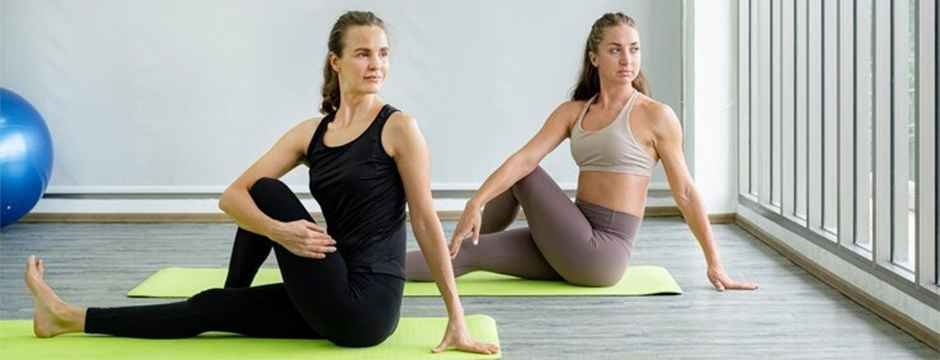
Yoga is more than stretching or holding poses. At its heart, yoga is the connection between breath, movement, awareness, and inner balance. Core yoga teacher training takes this understanding to a much deeper level by teaching practitioners how to move with intention while using breath as the foundation for every posture and transition. Through structured learning, anatomy awareness, mindful sequencing, and breath-centred techniques, students develop stronger control over the body and mind.
Whether you are planning to become a yoga instructor or simply want to deepen your practice, core yoga teacher training offers a transformative journey that improves physical stability, emotional balance, and mental clarity. It teaches you how to create harmony between movement and breathing patterns, helping you practice yoga with greater efficiency, confidence, and mindfulness.
Understanding the Connection Between Breath and Movement
In yoga, breath and movement are never separate. Every inhale and exhale guides the body into a posture, supports balance, and creates flow throughout the practice. Core yoga teacher training emphasises this relationship from the beginning.
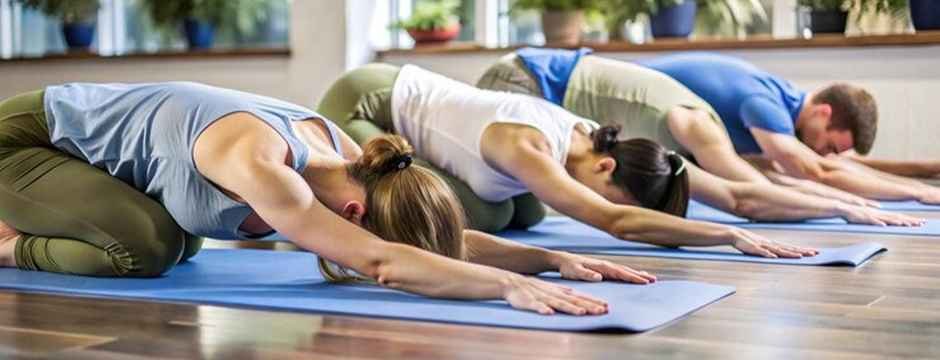
Students learn how controlled breathing influences:
- Muscle engagement
- Stability and posture
- Energy flow
- Focus and concentration
- Relaxation and recovery
The breath acts as an anchor that keeps practitioners present. Instead of rushing through poses, trainees learn to synchronise each movement with a conscious breathing rhythm. This connection improves coordination and transforms yoga into a moving meditation.
Traditional yoga systems like Ashtanga and Vinyasa strongly emphasise breath-linked movement patterns known as vinyasas. These flowing transitions help practitioners build endurance, concentration, and body awareness.
Building Core Awareness Through Teacher Training
Core yoga teacher training focuses heavily on strengthening the body’s centre. The core is not limited to abdominal muscles alone. It includes the lower back, pelvis, diaphragm, and deep stabilising muscles surrounding the spine.
When the core is activated correctly:
- Postures become more stable
- Breathing becomes deeper and more controlled
- Balance improves
- Movements become smoother
- Risk of injury decreases
Teacher training programs guide students through exercises that strengthen these deeper muscles while maintaining fluid breathing. Instead of forcing movement, trainees learn how to move from the centre of the body.
Many modern yoga methodologies emphasise the importance of core engagement for improving breathing mechanics and body support. Practices like Core Strength Vinyasa Yoga teach that softer abdominal engagement combined with deep core activation can significantly improve breathing quality.
Learning Proper Breath Control Techniques
One of the most powerful aspects of yoga teacher training is the study of pranayama, or breath control. Breathwork is integrated into daily practice to help students regulate energy and calm the nervous system.
Common breathing techniques taught in training include:
Ujjayi Breath
Often called “ocean breath,” Ujjayi breathing creates a soft sound in the throat while maintaining steady airflow. This technique helps maintain rhythm during movement-based yoga styles.
Diaphragmatic Breathing
This breathing style teaches students how to fully engage the diaphragm for deeper, more efficient breathing. It encourages relaxation while improving oxygen flow throughout the body.
Alternate Nostril Breathing
This calming technique balances mental energy and enhances focus. It is often practised before meditation or teaching sessions.
Breath Retention
Some advanced practices include gentle breath retention techniques that improve concentration and awareness. Certain yoga traditions view breath suspension as a way to deepen the mind-body connection.
Through consistent breath training, students become more aware of how breathing affects physical movement, emotional states, and overall energy levels.
Improving Movement Efficiency and Alignment
The core yoga training program also teaches students how to move efficiently without unnecessary tension. Proper alignment is essential in yoga because poor posture can strain joints and muscles over time.
Programs often include detailed anatomy education that explains:
- Joint mechanics
- Spinal alignment
- Muscle engagement
- Fascia and connective tissue function
- Safe movement patterns
Yoga systems such as Iyengar Yoga emphasise precision and alignment to create safer and more effective movement experiences.
As trainees develop body awareness, they learn how to:
- Enter poses with control
- Transition smoothly between movements
- Protect vulnerable joints
- Maintain stability during balancing poses
- Use props and modifications appropriately
This education helps students move with confidence while reducing physical stress and fatigue.
Developing Mindful Movement Patterns
One major transformation during teacher training is the shift from unconscious movement to mindful movement.
In everyday life, people often move mechanically without awareness. Yoga teacher training teaches students to notice:
- Muscle tension
- Breathing patterns
- Emotional reactions
- Energy fluctuations
- Physical imbalances
Mindful movement helps practitioners stay connected to the present moment. Instead of forcing flexibility or performance, trainees learn to move with sensitivity and self-awareness.
Yin Yoga practices especially encourage slower movement and longer-held postures that increase awareness of connective tissues, breath patterns, and mental stillness.
This mindfulness eventually extends beyond yoga practice into daily activities such as walking, working, and communicating.
Enhancing Emotional Balance Through Breath
Breathing patterns are closely connected to emotions. Rapid shallow breathing often accompanies stress or anxiety, while deep controlled breathing promotes calmness and relaxation.
The best yoga teacher training teaches students how to use breath intentionally to regulate emotional states.
Benefits include:
- Reduced anxiety
- Better stress management
- Improved sleep quality
- Increased emotional resilience
- Greater mental clarity
Many yoga traditions integrate breathwork with meditation and mindfulness practices to support emotional healing and nervous system regulation.
As trainees become more emotionally balanced, they also become more effective teachers and communicators.
Understanding the Role of Yin and Yang Energy
Modern yoga teacher training often integrates both dynamic and restorative styles of practice. This balance between activity and stillness is commonly described as Yin and Yang energy.
Yang practices focus on:
- Strength
- Heat
- Active movement
- Energy building
Yin practices focus on:
- Stillness
- Long holds
- Deep tissue release
- Relaxation
Training programs that combine Yin and Yang approaches help students understand how breath changes depending on movement intensity. Dynamic flows require rhythmic breath coordination, while slower practices encourage deep relaxation and introspection.
Some advanced training programs in Bali specifically focus on integrating Yin and Yang methodologies alongside anatomy, breath awareness, and therapeutic movement practices.
Becoming a More Confident Teacher
Core yoga teacher training is not only about personal growth. It also prepares students to guide others safely and effectively.
Trainees learn how to:
- Demonstrate poses clearly
- Cue breathing patterns
- Observe alignment issues
- Create balanced class sequences
- Support students with different abilities
By mastering breath and movement themselves, future teachers gain the confidence to lead classes with clarity and authenticity.
Programs also encourage communication skills, mindfulness practices, and leadership development, helping trainees become compassionate and knowledgeable instructors.
Why Immersive Yoga Training Makes a Difference?
Immersive teacher training environments provide students with the opportunity to fully dedicate themselves to learning and transformation. Training in peaceful wellness destinations often enhances focus, self-discovery, and healing.
An immersive yoga experience allows students to:
- Practice daily without distractions
- Build strong discipline
- Learn from experienced teachers
- Connect with a supportive community
- Deepen spiritual awareness
Training schools that emphasise holistic learning often combine anatomy, philosophy, meditation, pranayama, and movement science to create a complete educational experience.
End Thoughts
Mastering breath and movement is one of the most valuable aspects of core yoga teacher training. Through mindful breathing techniques, alignment education, anatomy studies, and consistent practice, students develop a deeper understanding of how the body and mind work together. This training improves physical strength, emotional balance, flexibility, stability, and overall well-being while preparing future teachers to guide others safely and confidently.
For those seeking an immersive and transformative yoga education experience, Yin Yoga Bali offers comprehensive yoga teacher training programs designed to help students deepen their practice, master breath awareness, and explore the balance between mindful movement and inner stillness in a peaceful Bali setting.