
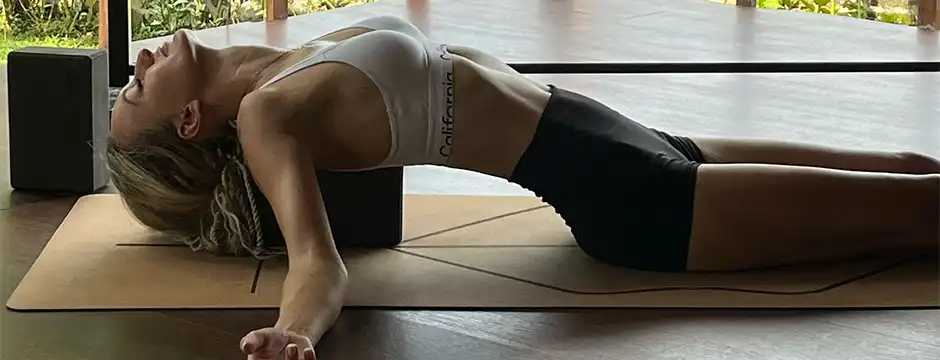
Choosing the Best Yoga Teacher Training Bali is about more than learning how to guide a class. It can become an immersive journey of movement, self-awareness, discipline, philosophy, and personal growth. Bali, with its peaceful surroundings and strong wellness culture, has become a popular destination for aspiring yoga teachers from around the world. But what can you actually expect once your training begins?
From early morning practices and anatomy lessons to meditation, teaching sessions, and moments of quiet reflection, your days may be both demanding and deeply rewarding. Understanding the journey beforehand can help you choose the right program and arrive prepared for the experience.
Why Choose Bali for Yoga Teacher Training?
Bali offers an environment that naturally complements the principles of yoga. The island’s tranquil surroundings, tropical landscapes, wellness-focused communities, and spiritual traditions can create a setting where students can step away from everyday distractions and focus on learning. However, the location alone should not determine your choice.
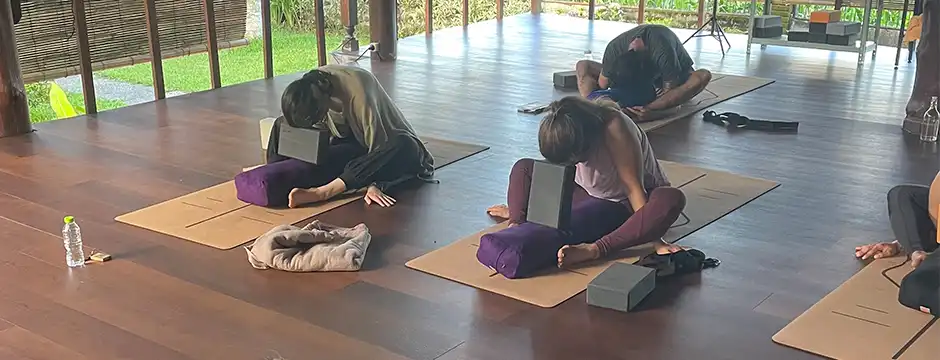
The quality of the teachers, curriculum, certification, teaching methodology, schedule, accommodation, and overall learning environment are equally important. A good training program should challenge you while also giving you enough space to absorb what you learn. Rather than simply memorising yoga poses, you should have opportunities to understand why and how practices work.
Your Journey Usually Begins Before the First Class
Your yoga teacher training journey may actually begin before you arrive in Bali. Once you choose a program, take some time to understand its requirements and curriculum. Different courses are designed for different levels and goals. Some are suitable for beginners or practitioners looking to deepen their personal practice, while advanced programs may require previous certification.
It is also helpful to prepare yourself mentally. Teacher training can involve long practice sessions, theoretical lessons, group activities, self-study, and teaching assignments. You do not need to arrive as an expert, but an open mind and willingness to learn can make a significant difference.
Starting the Day With Yoga Practice
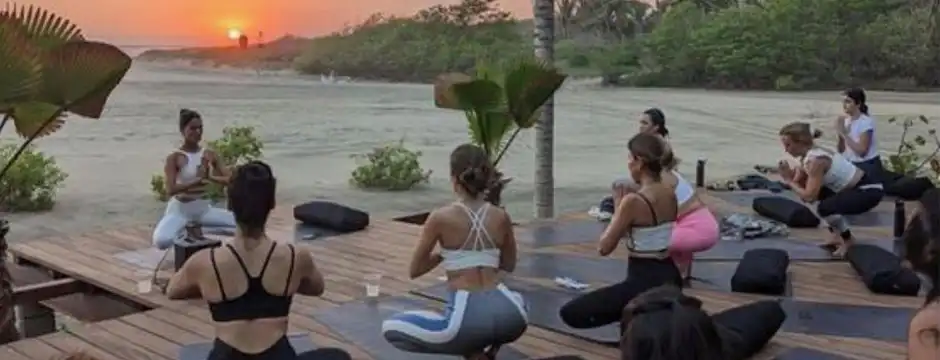
One of the most memorable parts of a Bali yoga teacher training may be beginning the day on the mat. Morning practice can help you gradually shift from everyday thinking into a more focused state. Depending on the program, sessions may explore different approaches, including Hatha, Vinyasa, Yin, alignment-based practices, breathwork, meditation, or Yoga Nidra.
The goal isn’t simply to become more flexible. You may begin noticing how your breathing affects movement, how alignment influences a posture, and how different practices affect your physical and mental state. Over time, these observations can become valuable tools when you eventually guide your own students.
Understanding the Science Behind the Practice
Yoga teacher training is not just physical. A substantial part of your journey may involve learning anatomy, physiology, alignment, sequencing, and the principles behind safe and effective practice. These lessons help you understand what is happening in the body rather than simply copying a teacher’s movements.
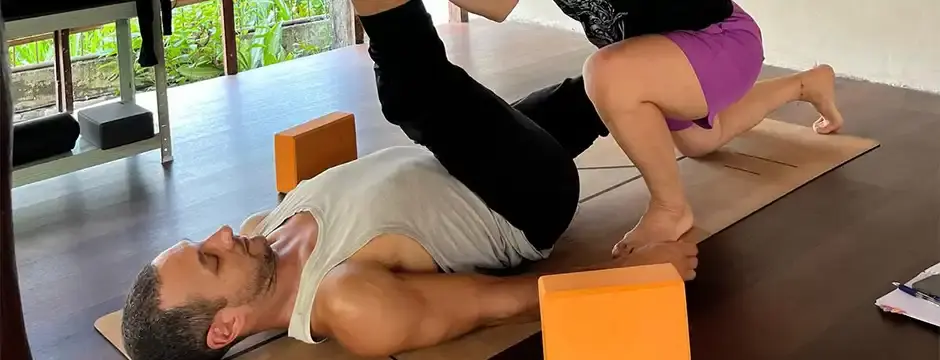
You may study how joints move, how muscles interact, how different postures affect the body, and how to adapt practices for individual needs. This knowledge becomes particularly important when you start teaching. Every student has a different body, experience level, comfort zone, and range of movement. A strong teacher knows how to offer appropriate options rather than expecting everyone to perform a posture in the same way.
Exploring Yoga Philosophy
Another important part of the journey is discovering that yoga extends far beyond physical postures. Yoga philosophy can introduce you to ideas surrounding awareness, discipline, compassion, mindfulness, and self-reflection. These teachings can encourage you to look at your own habits and approach to life.
For many students, this becomes one of the most transformative aspects of teacher training. You may arrive expecting to learn how to teach asana and leave with a broader understanding of why yoga has remained meaningful for generations.
Learning the Art of Teaching
Eventually, the focus shifts from practising yoga to teaching it. This transition can feel exciting and slightly intimidating. You may learn how to structure a class, create sequences, demonstrate postures, give verbal instructions, use appropriate cues, manage transitions, and develop confidence in front of a group.
Practice teaching is especially valuable because it allows you to make mistakes in a supportive environment. You may discover that knowing a posture yourself is very different from explaining it clearly to another person. Feedback from instructors and fellow students can help you refine your communication style and become more comfortable leading others.
Yin and Yang: Finding Balance in Your Training
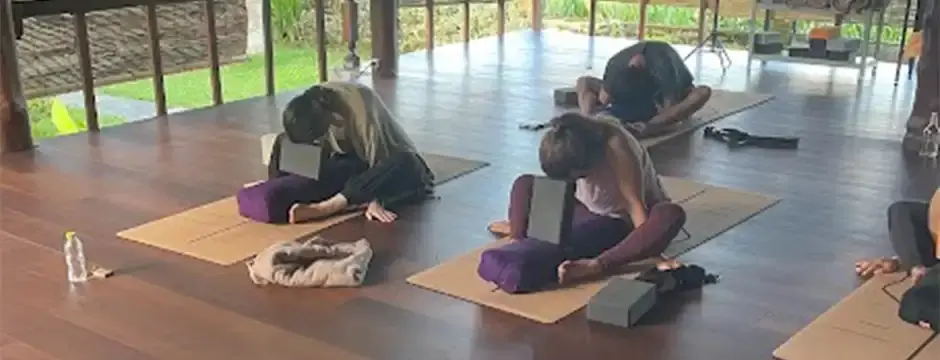
A well-rounded core yoga teacher training can introduce you to contrasting approaches. Yang practices generally emphasise movement, strength, heat, and active engagement, while Yin practices involve longer-held, quieter postures and a more introspective approach.
Learning both can help you understand the importance of balance. You may begin to recognise when a practice needs more energy and when it calls for stillness. This understanding can also help you design classes that respond to different students, moods, abilities, and objectives.
Meditation and Breathwork
Your training may also include practices that encourage you to look inward. Breathwork can teach you how breathing patterns influence attention, relaxation, and your experience of movement. Meditation can provide an opportunity to develop concentration and observe thoughts without immediately reacting to them.
These practices can be particularly valuable during an intensive training schedule. When several hours of learning and physical practice begin to feel challenging, mindful breathing and meditation can help you reconnect with the purpose behind your journey.
A Typical Day Can Be Structured but Varied
One of the interesting aspects of yoga surf retreat Bali is that no two programs are exactly alike. A typical day may combine physical practice, lectures, workshops, philosophy, meditation, teaching practice, and independent study. Breaks and relaxation periods are also important because your body and mind need time to process what you are learning.
Some programs incorporate additional experiences beyond classroom-style education, such as beach activities, mindfulness sessions, wellness practices, or special workshops. This variety can prevent the training from feeling repetitive while giving you opportunities to experience yoga from different perspectives.
Building Connections With Fellow Students
Another unexpected benefit can be the community you develop during training. Students often arrive from different countries, cultures, professions, and backgrounds but share a common interest in yoga. Spending intensive days together can create strong connections.
You practice together, learn together, teach one another, exchange experiences, and sometimes struggle through challenging moments together. These relationships can become an important part of the experience and may continue long after the training ends.
Expect Challenges Along the Way
It is important not to romanticise yoga teacher training. Intensive programs can be physically and mentally demanding. You may experience tiredness, information overload, uncertainty about your teaching abilities, or moments when a concept does not immediately make sense.
That is normal. The purpose of teacher training is not to prove that you already know everything. It is to help you develop the knowledge, awareness, confidence, and humility required to keep learning. Permit yourself to be a student.
What You May Take Home
By the end of your training, you may leave with much more than a certificate. You can develop a deeper personal practice, a stronger understanding of yoga philosophy, improved knowledge of anatomy and alignment, experience creating sequences, and greater confidence communicating with students.
For many people, the biggest takeaway is personal transformation. Spending dedicated time practising awareness and stepping away from familiar routines can encourage changes that continue after returning home.
Choosing the Best Yoga Teacher Training in Bali
The phrase “best yoga teacher training Bali” can mean different things to different students. Before enrolling, consider the course duration, certification, teaching style, curriculum, instructor experience, student support, accommodation, class size, and whether the program matches your current level.
Think about your long-term goal too. Are you primarily interested in deepening your personal practice? Do you want to teach professionally? Are you drawn toward Yin, Yang, Hatha, Vinyasa, or an integrated approach? The right program should align with those goals rather than simply having an attractive location.
Final Words
If you are searching for a meaningful and the Best Yoga Teacher Training Bali experience, Yin Yoga Bali offers a range of internationally accredited programs designed for different stages of the yoga journey. Our offerings include 50-hour and 100-hour Yin Yoga training, a 200-hour Yin & Yang Yoga Teacher Training, and a 300-hour advanced program. We combine traditional yoga teachings with modern approaches and include areas such as Yin Yoga, Hatha, Vinyasa, breathwork, meditation, anatomy, alignment, and yoga philosophy.