
Yoga has evolved far beyond being a personal wellness practice. Today, it is increasingly viewed as a meaningful career path for people who want to combine professional growth with health, mindfulness, and purpose. As interest in holistic wellness continues to grow, structured yoga teacher training programs are attracting aspiring instructors, fitness professionals, wellness enthusiasts, and even people looking for a career change.
The appeal goes beyond learning postures. The Top Yoga Training Programs can teach anatomy, philosophy, breathwork, meditation, sequencing, and practical teaching skills, helping students develop the confidence needed to guide others. This combination of personal transformation and professional opportunity is making yoga training an increasingly attractive career choice.
Growing Interest in Wellness Careers
Modern lifestyles often involve long working hours, digital overload, sedentary routines, and considerable stress. As a result, people are paying greater attention to practices that support overall wellbeing.
Yoga fits naturally into this growing wellness movement. It combines physical movement with breathing, mindfulness, relaxation, and self-awareness. Consequently, qualified yoga teachers can find opportunities across several wellness settings, including:
- Yoga studios and fitness centres
- Wellness and retreat centres
- Hotels and resorts
- Corporate wellness programs
- Private and group sessions
- Online yoga classes
- Personal wellness coaching
This diversity makes yoga teaching appealing to people who do not want to follow a conventional office-based career.
Yoga Training Offers More Than a Certificate
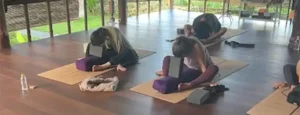
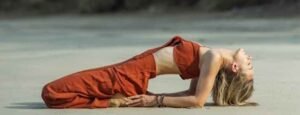
One of the biggest reasons people choose Top Yoga Training Programs is that a quality program goes much deeper than learning how to perform poses. A comprehensive curriculum may introduce students to anatomy, alignment, yoga philosophy, meditation, pranayama, teaching methodology, sequencing, and modifications. For example, established programs can combine Yin and Yang practices to help students understand both restorative stillness and dynamic movement.
This broader education helps aspiring instructors understand why a practice is performed rather than simply copying movements. They can learn how to structure classes, communicate clearly, adapt practices, and create a comfortable environment for different students.
It Can Turn a Passion Into a Profession
Many people begin practising yoga simply because they enjoy it. Over time, regular practice can develop into a genuine interest in yoga philosophy, teaching, and wellness.
A professional training program provides a structured pathway for turning that interest into a career.
Instead of relying solely on personal experience, students can develop:
- Teaching confidence
- Communication skills
- Class-planning abilities
- Knowledge of anatomy and alignment
- Understanding of different yoga styles
- Breathwork and meditation skills
- Practical experience through teaching sessions
This transition from practitioner to instructor can make yoga feel like a realistic professional direction rather than just a personal hobby.
Flexible Career Opportunities Make Yoga Attractive
Career flexibility is another major reason yoga teacher training is gaining popularity. A yoga instructor does not necessarily have to work a fixed schedule at one studio. Depending on their qualifications and professional goals, teachers can develop different career models.
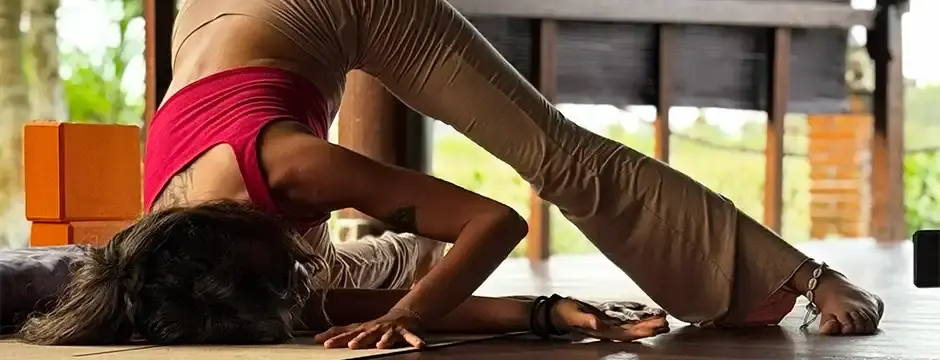
Some may teach regular classes, while others combine studio teaching with private sessions, retreats, workshops, or online programs. Experienced instructors may eventually develop specialised classes or wellness offerings around their areas of expertise. This flexibility can be particularly attractive to people who value independence and want greater control over their working hours.
International Certification Can Expand Career Possibilities
For students who want to work internationally, certification can be an important consideration when selecting a training program. Yoga Alliance-recognised programs are one example of structured teacher education that can provide an internationally oriented credential. Yin Yoga Bali, for instance, offers 200-hour and 300-hour programs with Yoga Alliance-recognised certification pathways.
However, prospective students should always research the exact certification, registration requirements, teaching eligibility, and local regulations relevant to the country where they plan to work. A recognised qualification can nevertheless provide a stronger foundation for presenting oneself professionally and exploring opportunities in different wellness environments.
Bali Adds an Immersive Dimension to Yoga Education
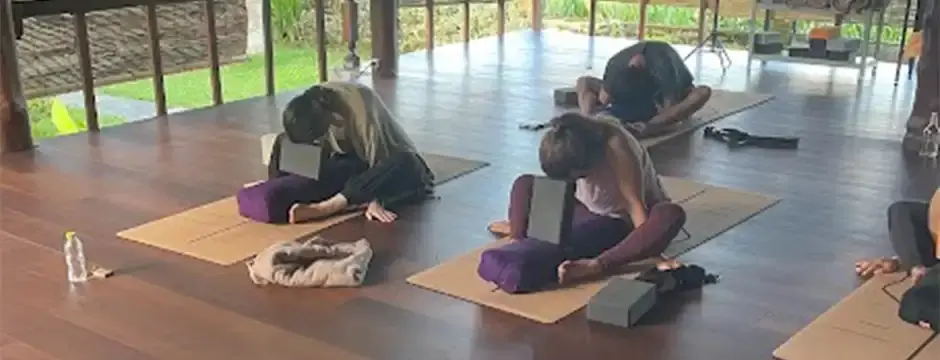
Location can also influence the training experience. Bali has become a popular destination for yoga education because students can combine structured learning with an immersive wellness environment. Training in a destination surrounded by nature and a strong wellness culture can create an experience that feels different from attending a conventional classroom course.
Residential programs can also encourage students to step away from everyday distractions and focus on practice, study, reflection, and personal development. For many aspiring teachers, this immersive environment becomes an important part of their overall learning journey.
Personal Transformation Is Part of the Appeal
A yoga career is unusual because professional development and personal development can happen simultaneously.
During yoga teacher training Bali, students spend significant time practising, observing themselves, studying philosophy, and developing greater awareness of their bodies and minds. This process can encourage discipline, patience, confidence, and self-reflection.
That is why many people approach yoga teacher training not only as career preparation but also as a period of personal growth.
A strong program can help students ask important questions:
- What kind of teacher do I want to become?
- How can I create a safe and welcoming class?
- What does authentic yoga mean to me?
- How can I support different types of practitioners?
- How can yoga become part of my long-term lifestyle?
These questions can make the training experience much more meaningful than a conventional professional course.
Diverse Specialisations Create Room for Growth
Yoga is not a single, fixed discipline. Teachers can continue developing their knowledge through different styles and specialisations.
Depending on their interests, instructors may explore areas such as:
- Yin Yoga
- Hatha Yoga
- Vinyasa
- Meditation
- Yoga Nidra
- Breathwork
- Therapeutic approaches
- Prenatal and postnatal yoga
- Chair yoga
- Mobility-focused practices
Advanced training can take this specialisation even further. For example, a 300-hour Yin and Yang program may explore functional anatomy, fascia, Traditional Chinese Medicine, therapeutic applications, sequencing, and advanced teaching approaches.
This creates opportunities for teachers to continually expand their expertise rather than treating certification as the end of their education.
Practical Teaching Experience Builds Confidence
Knowing yoga personally and teaching yoga professionally are two different things. Someone may be comfortable performing asanas but still feel uncertain about explaining alignment, giving verbal cues, managing a class, or modifying a posture for a student.
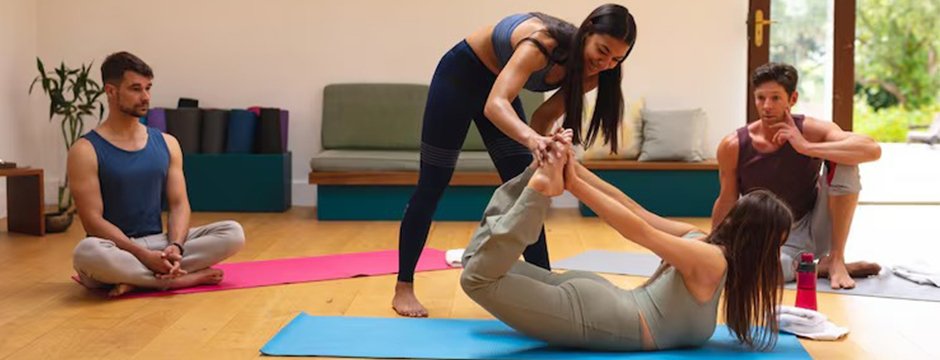
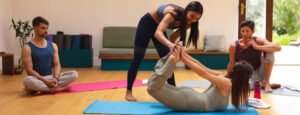
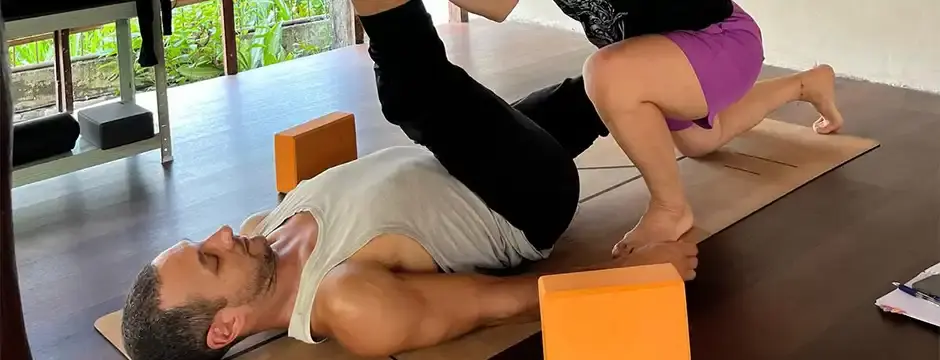
That is why practical teaching experience is an essential part of a strong training program. Hands-on teaching sessions allow students to practice sequencing, communication, instruction, and classroom management while receiving feedback. The goal is not simply to memorise information. It is to develop the ability to apply that knowledge in real teaching situations.
Who Can Consider Yoga Teacher Training?
Yoga training is not limited to professional athletes or advanced practitioners. Depending on the program, beginners, dedicated yoga practitioners, fitness professionals, wellness enthusiasts, and people considering a career transition may all find suitable options. Some 100-hour and 200-hour programs are specifically designed to welcome students without extensive previous yoga experience. The more important qualities are often commitment, curiosity, discipline, and a genuine interest in learning.
What Should You Look for in a Yoga Training Program?
Choosing yoga teacher training requires more than searching for the shortest or cheapest course. Prospective students should evaluate the program carefully.
Consider factors such as:
- Certification and accreditation
- Curriculum depth
- Teacher experience
- Practical teaching opportunities
- Student-to-teacher ratio
- Training duration
- Accommodation and learning environment
- Specializations offered
- Post-training support
- Reviews and student experiences
A well-rounded program should prepare students for both the technical and human sides of teaching.
End Notes
Top yoga training programs are becoming a popular career choice because they offer a unique combination of professional preparation, flexibility, personal development, and wellness education. They can help transform an interest in yoga into practical teaching skills while opening doors to studios, retreats, private instruction, corporate wellness, and other opportunities. For anyone considering this path, the quality of training matters enormously.
For those looking for an immersive training experience in Bali, Yin Yoga Bali offers Yoga Alliance-recognised teacher training programs, including 100-hour, 200-hour, and 300-hour options. Our approach combines Yin and Yang practices with anatomy, philosophy, breathwork, meditation, teaching methodology, and practical learning. With experienced teachers and an immersive Bali setting, we can be a compelling option for aspiring instructors who want to develop their practice while building a foundation for a meaningful yoga teaching career.
FAQs
- Why is yoga teacher training becoming a popular career choice?
Yoga teacher training is becoming popular because it combines professional opportunities with wellness, personal growth, and flexible career options. Qualified instructors can teach at studios, retreats, fitness centres, corporate wellness programs, or independently.
- Do I need to be an advanced yoga practitioner to become a yoga teacher?
Not necessarily. Many beginner-friendly teacher training programs are designed to teach students the foundations of yoga while progressively developing their practical and teaching skills. However, requirements can vary between programs.
- What can I learn during a yoga teacher training program?
The Top Yoga Training Programs may cover asanas, anatomy, alignment, yoga philosophy, pranayama, meditation, sequencing, teaching methodology, and practical teaching techniques. Advanced programs may also introduce specialised approaches such as Yin Yoga and therapeutic applications.
- Can yoga teacher training lead to an international career?
Yes, depending on the qualification and the requirements of the country where you intend to teach. Choosing a recognised certification and understanding local teaching or registration requirements can help aspiring instructors explore international opportunities.
- How do I choose the right yoga teacher training program?
Look at the program’s curriculum, certification, instructors, practical teaching experience, duration, specialisation, student feedback, and learning environment. Choose a program that matches your career goals, preferred yoga style, experience level, and long-term interests.