
For many people, it is a journey of self-discovery, mindfulness, physical wellbeing, and personal growth. As interest in professional yoga instruction continues to rise, choosing the right yoga teacher training program has become one of the most important decisions for aspiring teachers.
The best yoga teacher training programs are not always the most expensive or the most popular. Instead, it should align with your goals, learning style, preferred yoga tradition, and long-term vision. Before enrolling, understanding the essential factors can help you make a confident and rewarding choice.
Understand Your Purpose Before Choosing a Program
Before comparing different yoga schools, take time to identify why you want to complete a teacher training course. Everyone enters yoga teacher training with different intentions. Some want to become certified instructors, while others simply wish to deepen their personal practice and understanding of yoga philosophy. Your purpose will influence the type of training that suits you best.
If your goal is teaching professionally, you may need a comprehensive curriculum with practical teaching experience. If your focus is personal transformation, a program emphasising meditation, breathwork, philosophy, and self-awareness may be more meaningful. Ask yourself what kind of yoga journey you envision over the next few years. A clear answer makes choosing among the best yoga teacher training programs much easier.
Look Beyond the Course Duration
Many students assume that longer programs are automatically better. However, duration alone does not determine quality. Yoga teacher training programs are commonly offered in intensive formats lasting several weeks or extended weekend formats spread over months. An intensive residential course allows complete immersion into yoga practice. Students spend each day learning asanas, anatomy, meditation, philosophy, and teaching methodology. This environment often helps participants remain focused without everyday distractions.
Part-time programs offer greater flexibility for people balancing work or family responsibilities. They allow students to absorb knowledge gradually while continuing their routine. Rather than choosing based only on convenience, consider which learning environment will help you stay committed and engaged throughout the training.
Evaluate the Yoga Style Being Taught
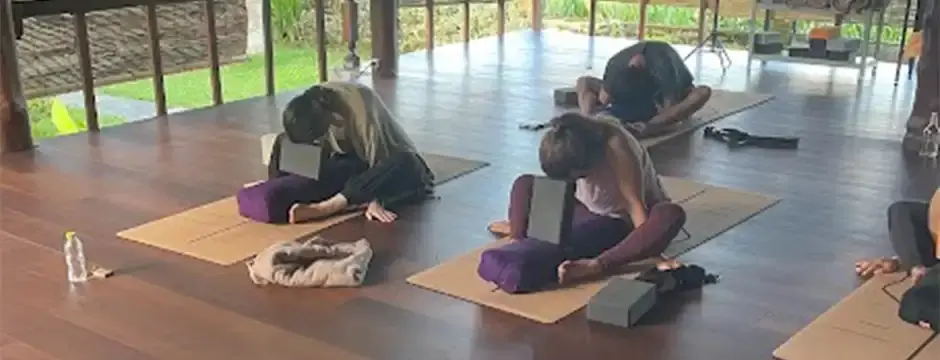
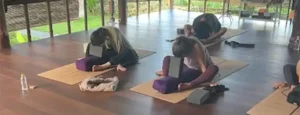
Yoga is not a single uniform practice. Different schools specialise in different traditions, each offering unique physical and philosophical approaches. Some programs focus on Hatha Yoga, emphasising foundational postures and balanced practice. Others specialise in Vinyasa Yoga, where movement flows continuously with breath. Yin Yoga focuses on slower poses held for longer periods, encouraging deep relaxation and flexibility. There are also programs centred around Ashtanga, Kundalini, Iyengar, and restorative practices.
The best yoga teacher training programs clearly explain their primary teaching style while also introducing complementary practices. Choose a style that genuinely resonates with your interests rather than following current trends. A teacher who enjoys the style they study is more likely to teach with confidence and authenticity later.
Review the Curriculum Carefully
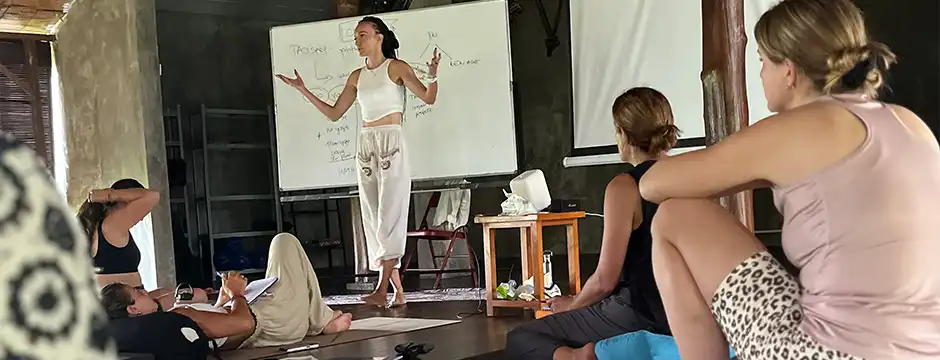
A strong yoga teacher training curriculum should provide much more than posture instruction. Teaching yoga responsibly requires knowledge of the human body, communication, philosophy, ethics, and class planning. When reviewing a program, examine whether it includes subjects such as anatomy, physiology, yoga philosophy, pranayama, meditation, alignment principles, sequencing, teaching methodology, and classroom management.
Practical teaching opportunities are equally important. Students should have chances to conduct mock classes, receive feedback, observe experienced teachers, and improve their instructional skills in a supportive environment. A balanced curriculum prepares future teachers to understand both the physical and mental dimensions of yoga rather than simply memorising poses.
Research the Experience of the Lead Teachers
The quality of instructors often has the greatest influence on your learning experience. Experienced teachers bring years of practical teaching, continued study, and personal insight into every lesson. Before enrolling, explore the backgrounds of the lead trainers. Look for information about their teaching experience, areas of specialisation, educational lineage, and approach toward students. Many reputable schools introduce their faculty through detailed biographies and educational philosophies.
It is also helpful to watch sample classes or interviews whenever available. This gives you an idea of their teaching personality and whether their communication style matches your learning preferences. A knowledgeable teacher can transform even complex yoga concepts into practical lessons that students understand and remember.
Consider Class Size and Individual Attention
Large training groups may create energetic learning environments, but they can also reduce opportunities for personal guidance. Smaller classes generally allow instructors to observe each student’s alignment, answer questions thoroughly, and provide individualised feedback. During yoga teacher training, personal correction is valuable because every student’s flexibility, strength, and physical structure are different. Proper guidance helps develop safer movement patterns and better teaching confidence.
Ask about the average student-to-teacher ratio before enrolling. A school that values individual attention often creates a more supportive educational experience, especially for beginners entering professional training. Remember that meaningful learning often comes through interaction rather than simply attending lectures.
Check Whether Anatomy and Safety Are Prioritised
Yoga teaching carries responsibility. Students come with different body types, injuries, mobility levels, and physical limitations. A qualified teacher should understand how to adapt practices safely. This is why anatomy education deserves special attention. The best yoga teacher training teaches functional anatomy alongside traditional yoga principles. Students learn how muscles, joints, movement patterns, and breathing influence different postures.
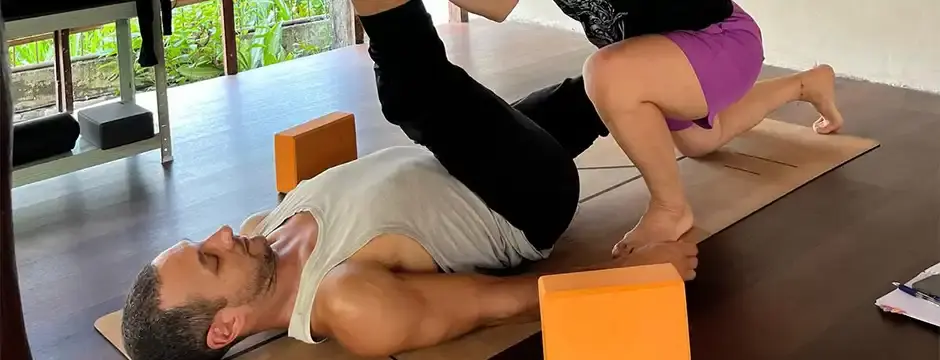
Safety should also include learning modifications and the appropriate use of props. Rather than forcing every student into identical positions, modern yoga education emphasises intelligent adaptation based on individual needs. A program that prioritises safety demonstrates commitment to responsible and sustainable teaching practices.
Explore the School’s Learning Environment
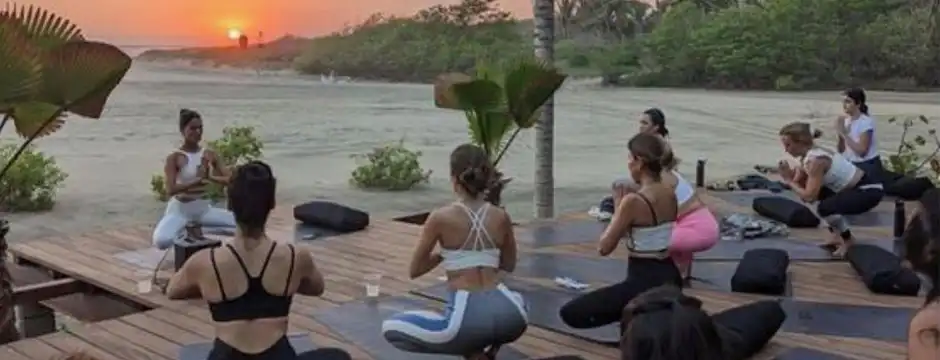
The environment surrounding your training can significantly affect your overall experience. Yoga education is deeply connected with focus, reflection, and consistent practice, making the atmosphere of the school important. Residential programs often create immersive communities where students share meals, discussions, meditation sessions, and daily practice. This can encourage meaningful friendships and collaborative learning.
However, comfort should never be confused with luxury alone. Instead, look for a peaceful, clean, organised environment that supports concentration and well-being. Read about the daily schedule as well. A balanced routine should include sufficient practice, study time, rest, and opportunities for personal reflection without becoming unnecessarily exhausting.
Read Student Reviews With a Balanced Perspective
Reviews can provide useful insights into real student experiences, but they should be interpreted thoughtfully. Instead of focusing only on ratings, read detailed feedback discussing teaching quality, curriculum structure, accommodation, communication, and post-training support. Look for recurring themes rather than isolated opinions. If multiple students consistently praise practical teaching experience or supportive faculty, that may indicate genuine strengths. Similarly, repeated concerns about poor organisation deserve attention.
Remember that every student enters training with different expectations. One person’s ideal experience may not match another’s priorities. Use reviews as one research tool alongside curriculum evaluation and instructor background rather than relying on them completely.
Understand Certification and Future Opportunities
If you plan to teach professionally, certification is an important consideration. Different organisations and countries may recognise qualifications differently, so understand what your chosen yoga training program offers. A recognised certification can support future teaching opportunities at yoga studios, wellness retreats, fitness centres, or independent classes. However, certification alone does not guarantee teaching success. Your practical skills, confidence, communication, and continued learning remain equally important.
Ask whether the program includes mentorship after graduation, teaching opportunities, alumni communities, or continuing education workshops. Schools that maintain long-term relationships with graduates often provide valuable support during the early stages of a teaching career. Think beyond receiving a certificate and consider how the program contributes to your ongoing professional development.
Compare Cost Based on Value Rather Than Price
Budget naturally plays an important role when selecting a training program. However, comparing tuition alone can be misleading because different schools include different facilities and educational resources. Some programs include accommodation, meals, study materials, excursions, and certification within the overall fee. Others charge separately for several of these elements.
Create a complete comparison by examining everything included in the total investment. Consider teaching hours, faculty experience, practical sessions, learning resources, and post-course support. The right program should offer meaningful educational value that aligns with your personal and professional goals rather than simply appearing less expensive initially.
Bottom Line
Choosing among the best yoga teacher training programs requires thoughtful research rather than quick decisions. Your preferred yoga style, curriculum quality, instructor experience, class size, anatomy education, learning environment, certification, and overall value all contribute to a fulfilling educational journey.
Take time to compare programs carefully and choose one that supports both your personal growth and future teaching aspirations. If you are looking for an immersive opportunity to deepen your practice while exploring yoga in a peaceful learning environment, Yin Yoga Bali is an excellent place to begin exploring your next step in yoga education.