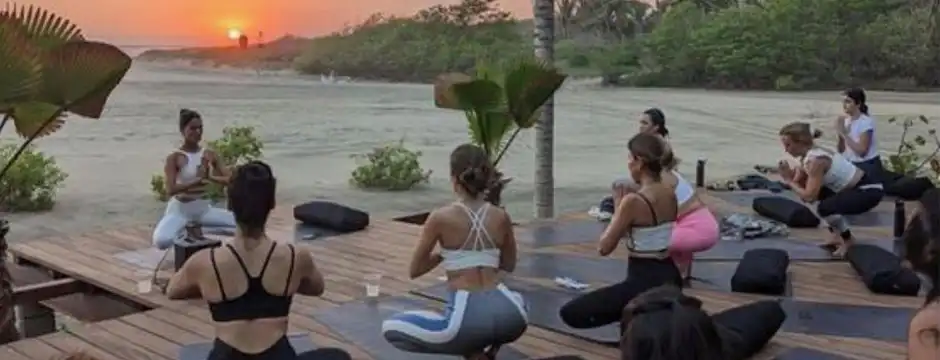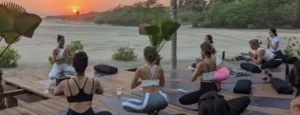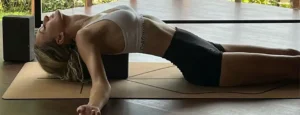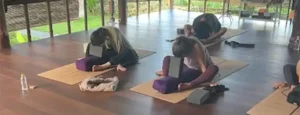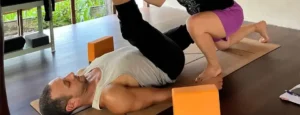

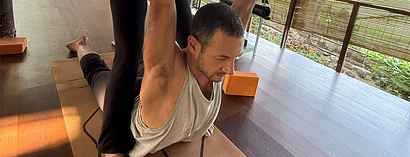
Becoming a skilled yoga teacher involves much more than memorising postures. A good teacher needs to understand movement, breathing, anatomy, sequencing, communication, observation, and student needs. Core yoga teacher training brings these elements together through structured learning and regular practice. It helps aspiring instructors develop the confidence to demonstrate movements, explain techniques clearly, adapt practices, and create meaningful class experiences.
Training also gives students opportunities to practise teaching and receive feedback. This practical approach can turn personal yoga knowledge into effective teaching skills. With a strong foundation, teachers can guide different students with greater awareness, clarity, safety, and confidence.
Understanding the Fundamentals of Yoga
Effective teaching begins with a strong understanding of the fundamentals. Core yoga teacher training allows students to explore asanas, breathing techniques, meditation, movement principles, and yoga philosophy in greater depth. When teachers understand why a posture is performed rather than simply knowing how to demonstrate it, their instructions become more meaningful.
They can explain the purpose of an exercise and connect individual movements to the broader goals of a class. This foundation also helps teachers answer student questions with greater clarity. Instead of relying only on memorised instructions, they can explain concepts based on their training and personal experience.
Developing Better Cueing Skills
Clear verbal cues are among the most important tools a yoga teacher has. Students often cannot see their own alignment, so they depend on the teacher’s instructions to understand how to move. Teacher training provides opportunities to practise concise and useful cues. Students learn how to describe movements, breathing patterns, transitions, and adjustments without overwhelming the class.
For example, instead of giving several instructions simultaneously, a teacher can break a movement into manageable steps. This makes the practice easier to follow, particularly for beginners. Core training can also help teachers become more aware of their voice, pace, pronunciation, and timing. These details can make instructions easier to understand and create a calmer classroom environment.
Improving Class Sequencing
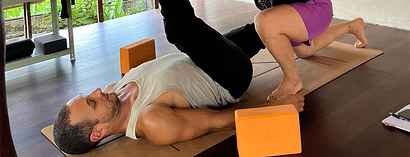
A well-designed sequence can make the yoga training programs feel natural and purposeful. However, sequencing requires more than putting several familiar poses together. Teacher training teaches students how to organise movements progressively. They learn how one posture prepares the body for another and how to balance effort with recovery.
With this knowledge, teachers can create classes with a clear beginning, middle, and end. They can also develop sequences around different abilities, themes, movement goals, and levels of experience.
Building Anatomical Awareness
Every student’s body is different. Two people may perform the same yoga posture while experiencing completely different sensations because of differences in mobility, proportions, joint structure, and movement patterns. Anatomy education helps teachers recognise these differences. It gives them a stronger foundation for understanding how joints, muscles, connective tissues, and movement patterns influence yoga practice.
Functional approaches to yoga also encourage teachers to consider individual bodies instead of expecting everyone to reproduce an identical shape. This knowledge can improve teaching because instructors become better prepared to offer appropriate variations rather than pushing every student toward the same expression of a pose.
Learning to Modify Practices
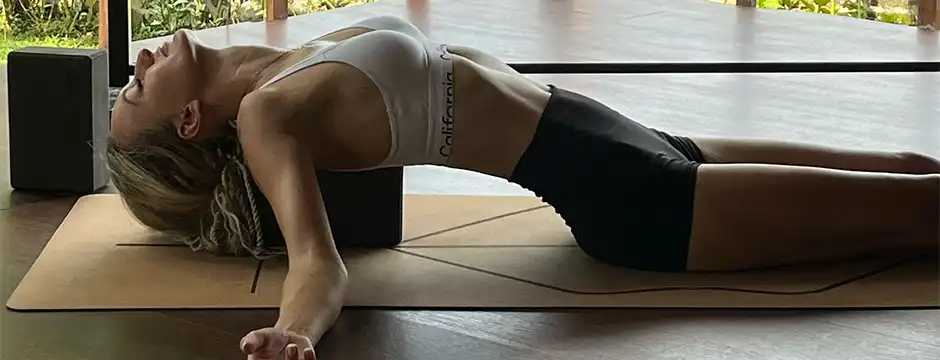
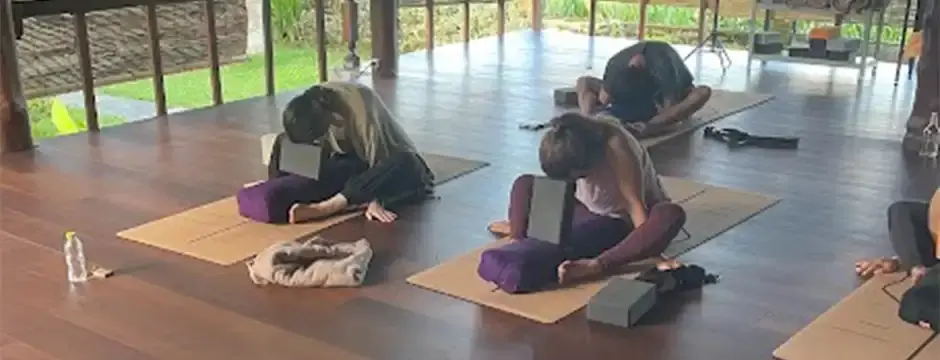
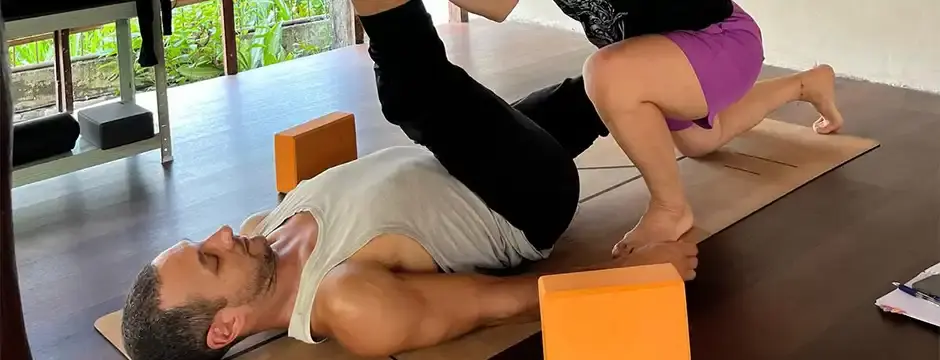
A classroom may include complete beginners, experienced practitioners, older adults, and students with different mobility levels. A single instruction may therefore not work equally well for everyone. Teacher training helps instructors develop modification skills. They learn how props, variations, positioning, and sequencing can make practices more accessible.
For example, a teacher might offer a block to reduce the need for excessive reach or suggest a different variation when a posture does not feel suitable for a particular student. The goal is not simply to make a pose easier. It is to help students participate appropriately while maintaining awareness and control.
Strengthening Observation Skills
Teaching yoga requires active observation. Instructors need to pay attention to how students move, breathe, respond to instructions, and transition between postures. Teacher training provides opportunities to practise this skill. Instead of concentrating entirely on their own demonstration, trainees learn to watch the room and identify where students may need clarification or modification.
This changes the teaching experience significantly. The instructor moves from simply delivering a prepared sequence to responding to the people actually participating in the class. Observation also helps teachers understand when they should give another cue, demonstrate a movement, offer a variation, or allow students to explore independently.
Developing Demonstration Techniques
Demonstration is another essential teaching tool. Students often understand a movement more easily when they can see it performed. Training allows aspiring teachers to practise demonstrating postures while maintaining awareness of the class. They learn that a demonstration should support instruction rather than distract students from listening.
Teachers also need to know when demonstration is unnecessary. Constantly performing every movement can make it difficult to observe students. A balanced approach allows instructors to demonstrate important movements and then step back to watch and guide.
Gaining Confidence Through Teaching Practice
Confidence develops through experience. Reading about teaching methods cannot completely replace the experience of standing in front of a group and leading a class. Practical teacher training gives students opportunities to teach sequences, practise communication, receive feedback, and refine their approach.
Feedback can reveal issues that teachers may not notice themselves. Their voice may be too quiet, their instructions may be too complicated, or their transitions may need better timing. Repeated practice allows these areas to improve gradually.
Creating More Inclusive Classes
A skilled yoga teacher understands that students have different needs and expectations. Some may want physical challenge, while others may be looking for relaxation, mobility, mindfulness, or a slower practice. Teacher training encourages instructors to think about these differences when designing classes.
Learning about modifications, props, anatomy, sequencing, and communication gives teachers more tools to create adaptable sessions. This can help students feel respected rather than pressured to perform a particular posture. An inclusive approach also encourages teachers to focus on the student’s experience instead of judging their ability based on appearance.
Combining Breath, Movement, and Awareness
Yoga teaching becomes more effective when movement and breathing work together. The best yoga teacher training Bali can help instructors understand how breath influences movement, concentration, and pacing.
Teachers can then use breathing cues more intentionally. They can encourage students to coordinate breath with movement during dynamic practices or use slower breathing to support stillness and relaxation.
Refining Your Personal Teaching Style
Training provides a foundation, but every teacher eventually develops an individual teaching style. Some instructors naturally communicate through detailed explanations, while others prefer concise cues and demonstrations. Core teacher training gives students the knowledge and practice needed to discover what works for them.
As instructors gain experience, they can refine their voice, sequencing preferences, classroom presence, and methods of interacting with students. The result is teaching that feels more authentic rather than copied from another instructor.
Bottom Line
Core yoga teacher training develops better teaching techniques by combining knowledge with practical experience. It strengthens cueing, sequencing, anatomical awareness, observation, modification, demonstration, communication, and classroom confidence. More importantly, it teaches aspiring instructors to look beyond the posture and understand the individual practising it.
For those looking to deepen these skills through an immersive learning experience, Yin Yoga Bali offers yoga teacher training programs that combine practice, teaching methodology, anatomy, sequencing, breathwork, and hands-on teaching experience. Our programs can provide a structured environment for developing a stronger personal practice while building the knowledge and confidence needed to guide others.