
Choosing the right yoga teacher training program is one of the most important decisions for anyone looking to deepen their practice or become a certified instructor. With countless options available across the globe, it can feel overwhelming to determine which program truly aligns with your goals, values, and lifestyle.
A well-chosen training not only equips you with technical knowledge but also transforms your personal understanding of yoga. From curriculum quality to teaching philosophy, every detail matters. This guide will walk you through the essential factors to consider when choosing the Best Yoga Teacher Training Program that supports both your personal and professional journey.
Accreditation and Certification
One of the first things to evaluate is whether the program is accredited by a recognised organisation such as Yoga Alliance. Accreditation ensures that the training meets certain global standards in terms of curriculum, teaching hours, and instructor qualifications.
Why this matters:
- It enhances your credibility as a certified yoga teacher
- It allows you to teach internationally
- It ensures structured and comprehensive learning
Always verify whether the certification you receive will be accepted in your desired teaching location.
Curriculum Depth and Structure
Some focus heavily on physical postures, while others dive deeper into philosophy, meditation, and anatomy.
When you are choosing the Best Yoga Teacher Training Program, a balanced curriculum that includes:
- Asana (posture) practice and alignment
- Yoga philosophy and history
- Anatomy and physiology
- Teaching methodology
- Meditation and pranayama
A well-rounded curriculum ensures you are not just physically trained but also mentally and spiritually prepared to teach yoga authentically.
Teaching Style and Philosophy
Each yoga school has its own teaching philosophy. Some emphasise traditional roots, while others take a modern, fitness-based approach.
Ask yourself:
- Do you prefer a spiritual or scientific approach?
- Are you interested in a specific style like Hatha, Vinyasa, or Yin Yoga?
- Does the philosophy align with your personal beliefs?
Choosing a program that resonates with your values will make your training more meaningful and enjoyable.
Experience and Expertise of Instructors
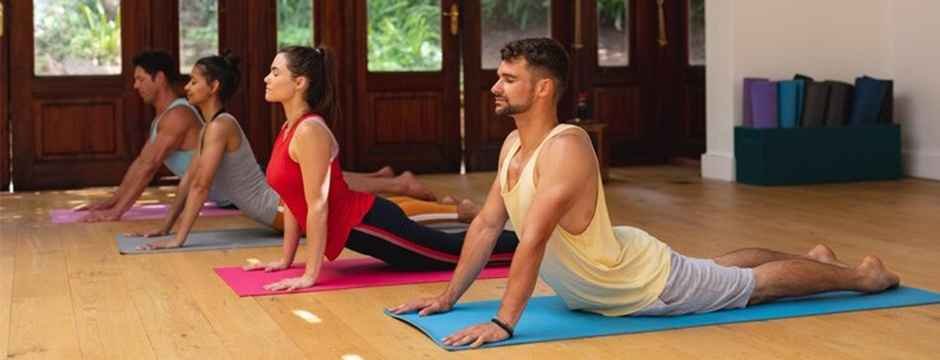
The quality of your yoga teacher training course Bali largely depends on the instructors. Experienced teachers bring not only knowledge but also real-world insights and mentorship.
Things to consider:
- Years of teaching experience
- Certifications and specialisations
- Teaching style and communication skills
- Student reviews and testimonials
A great instructor can inspire, guide, and help you grow beyond just technical skills.
Location and Environment
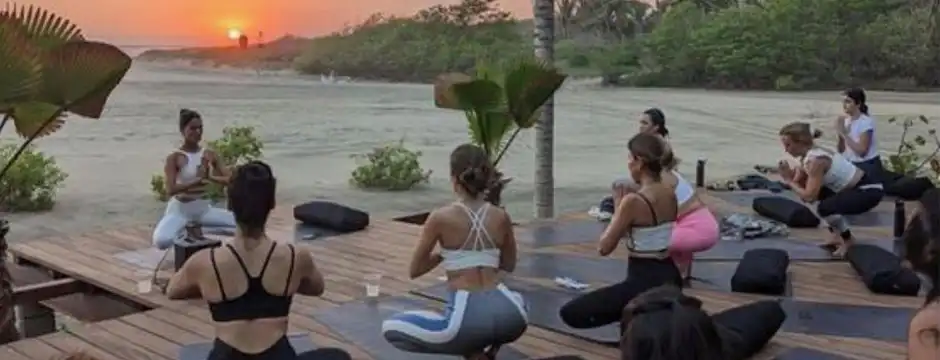
The environment where you train plays a significant role in your overall experience. Some people prefer local programs, while others seek immersive retreats in serene destinations.
Benefits of choosing the right location:
- Enhances focus and mindfulness
- Provides a distraction-free learning environment
- Encourages personal transformation
For example, training in a peaceful natural setting can deepen your connection to yoga and help you fully immerse yourself in the experience.
Duration and Schedule
Yoga teacher training programs vary in duration—from intensive 3–4 week courses to part-time programs spanning several months.
Consider:
- Your availability and time commitment
- Learning pace (intensive vs. gradual)
- Ability to absorb and practice teachings
Intensive programs are immersive but demanding, while longer courses allow more time for reflection and integration.
Class Size and Student Support
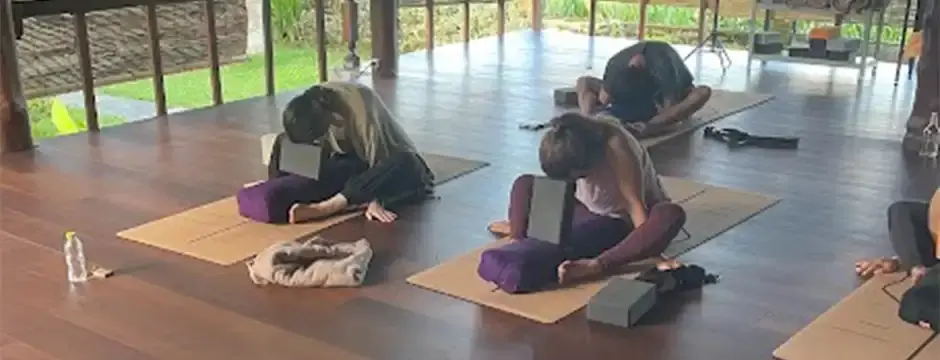
Smaller class sizes often provide a more personalised learning experience. You get more attention, feedback, and opportunities to ask questions.
Advantages of smaller groups:
- Better interaction with instructors
- More hands-on adjustments and guidance
- Stronger community bonding
Additionally, check if the program offers post-training support, such as mentorship or career guidance.
Cost and Value for Money
While cost is an important factor, it should not be the sole deciding point. A cheaper and the top yoga training programs may lack depth, while a higher-priced one might offer exceptional value.
Evaluate what’s included:
- Accommodation and meals
- Study materials
- Certification fees
- Additional workshops or excursions
Think of it as an investment in your personal and professional growth rather than just an expense.
Reviews and Testimonials
One of the most reliable ways to assess a program is through feedback from past students.
Look for:
- Authentic reviews on multiple platforms
- Detailed testimonials about experiences
- Consistency in positive or negative feedback
This gives you a realistic picture of what to expect and helps you avoid potential disappointments.
Personal Goals and Intentions
Before enrolling, take time to reflect on your goals.
Ask yourself:
- Do I want to teach professionally or deepen my practice?
- What style of yoga am I most passionate about?
- What kind of transformation am I seeking?
Your answers will guide you toward a program that aligns with your intentions and ensures a fulfilling experience.
Cultural and Spiritual Experience
Some yoga teacher training programs offer a deeper cultural immersion, especially those located in traditional yoga destinations.
Benefits include:
- Learning yoga in its authentic cultural context
- Exposure to ancient traditions and practices
- A holistic understanding of yoga beyond physical postures
This can be especially valuable if you are looking for a transformative journey rather than just a certification.
Post-Training Opportunities
A good yoga teacher training program doesn’t end with certification. It should also support your journey afterwards.
Look for programs that offer:
- Job placement assistance
- Internship or teaching opportunities
- Continued education or advanced courses
This ensures you can confidently step into your role as a yoga teacher.
Wrapping Up
Choosing the best yoga teacher training program is a deeply personal decision that requires careful consideration of multiple factors—from accreditation and curriculum to location and teaching philosophy. By taking the time to evaluate your options and align them with your goals, you can find a program that not only enhances your skills but also transforms your perspective on yoga and life.
If you are looking for a truly immersive and authentic experience, consider exploring Yin Yoga Bali. With its serene environment, expert guidance, and holistic approach to yoga education, we offer a unique opportunity to deepen your practice while gaining internationally recognised certification.