

Emotional balance and inner awareness are essential for living a calmer, healthier, and more mindful life. However, busy schedules, constant distractions, and everyday responsibilities often make it difficult to understand our emotions and reconnect with ourselves. Yin yoga offers a gentle way to slow down, release tension, and develop a deeper connection between the mind and body.
A yin yoga course Bali provides an opportunity to explore this practice in a peaceful setting while learning techniques that encourage patience, self-reflection, and emotional awareness. Through long-held postures, mindful breathing, and meditation, practitioners can discover a more balanced relationship with their thoughts, feelings, and daily experiences.
Understanding the Connection Between Yin Yoga and Emotional Balance
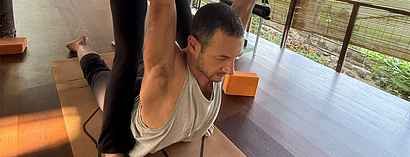
Yin yoga is a slow-paced style of yoga that focuses on holding postures for extended periods, often between two and five minutes. Unlike dynamic yoga practices, it encourages stillness, relaxation, and mindful observation. During these postures, practitioners have time to notice their thoughts, physical sensations, and emotional responses without immediately reacting to them. This process can help develop a more thoughtful relationship with difficult feelings.
For example, a person experiencing stress may learn to recognise tension in the body and observe their thoughts without becoming overwhelmed by them. With regular practice, this awareness may support healthier emotional responses and a calmer approach to everyday challenges.
Encouraging Mindfulness Through Slow and Gentle Movements
Mindfulness means paying attention to the present moment without judging yourself or your experiences. Yin Yoga Course Bali naturally encourages this quality because its slow movements leave little room for rushing or distraction. When you settle into a posture, you can focus on your breathing, body alignment, and sensations. Instead of thinking about unfinished tasks or future worries, you gradually bring your attention back to the present.
This practice can help you recognise when your mind begins to wander. Rather than criticising yourself, you learn to return to your breath with patience. Over time, these mindfulness skills may become useful outside the yoga session. You might become more attentive during conversations, more aware of your emotional reactions, and better able to pause before responding to stressful situations.
Creating Space to Understand Difficult Emotions
Many people remain occupied with work, relationships, and responsibilities, leaving little time to process their feelings. Yin yoga creates a quiet environment where you can acknowledge emotions that might otherwise go unnoticed. Remaining still in a comfortable posture may bring attention to feelings such as frustration, sadness, restlessness, or anxiety. These experiences vary from person to person, and emotional responses are not guaranteed during practice. The important lesson is to acknowledge what arises without labelling yourself as weak or unsuccessful.
Instead of immediately distracting yourself from an uncomfortable feeling, you can practise observing it with curiosity. This approach may encourage greater emotional acceptance and help you recognise personal patterns. However, Yin yoga is not a substitute for professional mental health care. Practitioners should feel free to modify or leave a posture whenever it becomes emotionally or physically uncomfortable.

Developing Patience and Self-Acceptance
Yin yoga teacher training Bali teaches an important lesson: progress does not always require constant movement or effort. Sometimes, growth begins when you allow yourself to slow down. Holding a posture comfortably requires patience. You learn to respect your body’s limits rather than forcing yourself into a particular shape. This can encourage a kinder attitude towards your physical abilities and personal experiences.
The same principle applies to emotional well-being. You may not overcome stress, uncertainty, or self-doubt immediately. Instead, you can acknowledge your current feelings and allow yourself time to understand them. By practising without constantly comparing yourself with others, you can develop greater self-acceptance. This mindset may also help reduce the pressure to meet unrealistic expectations in everyday life.
Using Breathwork to Support Relaxation
Breathing plays an important role in Yin yoga. Slow, comfortable breathing can help you direct attention towards the present moment and create a sense of calm. When stress builds up, breathing may become quick or shallow. Bringing gentle awareness to your breath can help you notice these changes and respond more deliberately.
During a Yin yoga session, you may be encouraged to breathe naturally while relaxing unnecessary muscular effort. There is no need to force deep breaths or hold your breath to achieve a particular result. With consistent practice, breath awareness can become a simple tool for managing everyday tension. Taking a few mindful breaths before an important meeting, during a difficult conversation, or after a demanding day may help you pause and respond more thoughtfully.
Strengthening the Mind-Body Connection
Emotional experiences can influence physical sensations. Stress may appear as tight shoulders, a clenched jaw, or discomfort associated with muscular tension. At the same time, physical discomfort can affect mood and concentration. Yin yoga encourages you to observe these connections without assuming that every physical sensation has an emotional cause.
Through gentle postures and body awareness, you can become more familiar with your physical limits and notice when your body needs rest. This understanding supports a more attentive approach to personal well-being. It also encourages you to recognise the difference between a manageable stretching sensation and pain that signals a need to adjust your position.
Learning Self-Reflection Through Meditation
Meditation complements Yin Yoga School Bali by providing an opportunity to observe thoughts without automatically following them. During a session, you may notice recurring worries, personal expectations, or habits that influence your reactions. Rather than trying to eliminate every thought, you can observe it and gently return your attention to your breath or body. This process may help you recognise which situations repeatedly create stress and how you typically respond to them.
For example, you might discover that you become restless when you cannot control an outcome. Recognising this pattern can help you practise patience and develop more balanced responses. Over time, regular self-reflection may encourage clearer thinking and a deeper understanding of your personal needs, values, and boundaries.
Why Bali Can Be a Meaningful Setting for Yin Yoga Training
The environment in which you practise yoga can influence your overall experience. Bali attracts people seeking opportunities for yoga, meditation, and personal development, making it an appealing destination for immersive learning. A structured course can offer dedicated time away from familiar distractions. Instead of fitting mindfulness into a crowded daily schedule, you can focus on understanding the principles and techniques of Yin yoga.
Depending on the programme, training may include posture practice, breathing exercises, meditation, anatomy, and discussions about the philosophy behind the practice. Learning alongside other practitioners can also create opportunities to exchange experiences and gain different perspectives. However, the quality of the experience depends on the course structure, teaching approach, and suitability of the programme for your needs.
End Notes
Emotional balance and inner awareness develop through consistent practice, patience, and a willingness to understand yourself more deeply. Yin yoga supports this process by encouraging mindfulness, self-acceptance, gentle movement, and thoughtful breathing. Although it cannot eliminate every source of stress, it can become a valuable part of a balanced approach to personal well-being.
If you want to deepen your understanding of these practices in an immersive setting, explore the training opportunities at Yin Yoga Bali. A yin yoga course Bali can help you build a stronger foundation in mindful movement and self-reflection while giving you dedicated time to reconnect with yourself. With regular practice and an open mind, you can carry these lessons into everyday life and nurture a more conscious, balanced relationship with your thoughts and emotions.