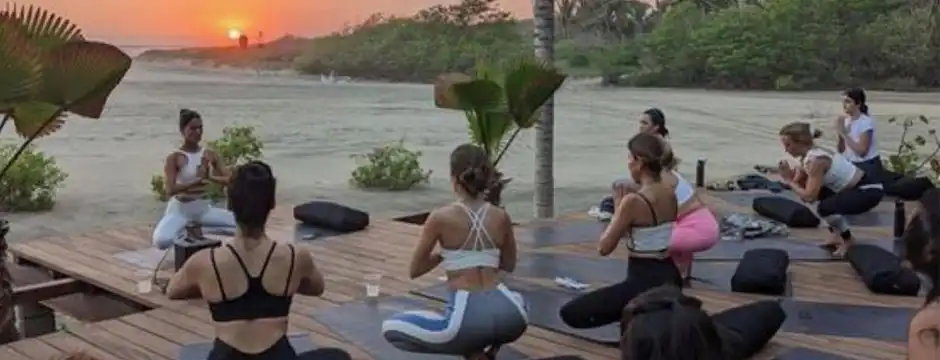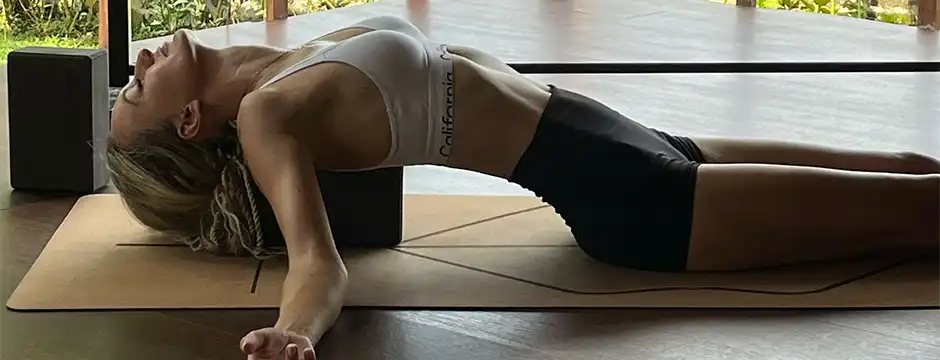


Yoga training can be a transformative experience, but not every program offers the same depth, structure, or learning environment. A valuable yoga training program should go beyond teaching physical postures. It should help participants understand yoga philosophy, breathing techniques, meditation, anatomy, teaching methodology, and mindful living.
Whether you are pursuing yoga as a career or deepening your personal practice, the Top Yoga Training Programs can shape how confidently and meaningfully you approach yoga. From experienced instructors and well-designed curricula to practical teaching sessions and a supportive community, several factors determine whether a program delivers genuine value.
A Comprehensive and Well-Structured Curriculum
A strong curriculum is one of the most important characteristics of a valuable yoga training experience.
A quality program should provide a balanced combination of practical and theoretical learning. Students should have opportunities to practice yoga while also understanding why particular techniques are performed.
Important curriculum areas may include:
- Asana practice
- Pranayama
- Meditation
- Yoga philosophy
- Human anatomy
- Alignment and movement
- Teaching methodology
- Sequencing
- Ethics of yoga teaching
- Lifestyle and mindfulness
A structured curriculum also makes learning easier to follow. Students can gradually build their knowledge instead of receiving disconnected lessons.
Experienced and Knowledgeable Teachers
The quality of instructors can have a major influence on the training experience. Experienced teachers can explain techniques clearly and adapt their teaching according to different levels of ability. They can also share practical insights that may not be available through books or online classes.
A good instructor should encourage questions and create an environment where students feel comfortable making mistakes and learning from them. Teaching experience also matters because becoming knowledgeable about yoga and becoming an effective yoga teacher are not necessarily the same thing.
Strong Emphasis on Practical Learning
Yoga is a practice-based discipline. Reading about a posture or breathing technique is different from actually performing it. For this reason, practical sessions should form an important part of a training program. Students should have enough time to practice techniques under appropriate guidance.
Top Yoga Training Programs should also include opportunities to teach others. These sessions can help students develop communication skills, confidence, observation abilities, and class-management techniques. Practical experience allows theoretical knowledge to become useful, applicable knowledge.
Understanding Anatomy and Safe Practice
Yoga instructors work with people who have different bodies, abilities, movement patterns, and limitations. Understanding basic anatomy can therefore make yoga instruction more responsible. A valuable program should explain how the body moves and how different postures affect muscles, joints, and other structures.
Students should also learn that yoga does not require forcing the body into a particular shape. Instead, teachers should understand alignment principles, modifications, appropriate use of props, and ways to accommodate different students. Safety should remain an important part of yoga education.
Learning Beyond Physical Postures
Yoga is much broader than physical exercise. A meaningful training experience introduces students to the philosophical and contemplative dimensions of the practice. Topics may include mindfulness, meditation, self-awareness, ethical principles, breathing, and traditional approaches to living.
This broader understanding can help students see yoga as a practice involving the body and mind rather than simply a series of physical movements. It can also influence how they approach teaching and personal development.
Opportunities for Personal Growth
The best yoga teacher training should give participants space to explore their own practice. Regular practice can encourage greater body awareness and mindfulness. Meditation and breathing exercises can also encourage participants to observe their thoughts, reactions, and habits.
This personal exploration can make the learning experience more meaningful. Students who understand their own practice may also become better equipped to guide others because they have experienced the challenges and benefits of consistent practice themselves.

A Supportive Learning Environment
The environment surrounding a training program can significantly influence the overall experience. Students often learn alongside people with different backgrounds, experiences, and reasons for practising yoga. A respectful and supportive community can make the training more engaging.
Group discussions, partner exercises, practical teaching sessions, and shared activities can create opportunities for students to learn from one another. A positive environment should encourage curiosity rather than competition. Yoga training should not feel like a contest over flexibility, strength, or performance.
A Balance Between Tradition and Modern Understanding
Yoga has a long history and contains extensive philosophical and practical traditions. At the same time, modern students may benefit from contemporary knowledge about anatomy, movement, education, and teaching.
A thoughtful training program can introduce students to traditional yoga concepts while also explaining them through a modern educational framework. This balance can help students develop respect for yoga’s roots without overlooking the practical needs of contemporary practitioners.
Personalised Guidance and Feedback
Everyone learns differently. Some students may struggle with alignment, while others may need more confidence when teaching. Personalised feedback can help identify these areas and provide opportunities for improvement.
Smaller groups can sometimes make it easier for instructors to observe individual students and provide specific guidance. Constructive feedback is particularly important during teaching practice. Students can learn how to improve their verbal instructions, demonstrations, sequencing, pacing, and interactions with participants.
A Curriculum That Matches Your Goals
Not every yoga certification program is suitable for every student. Before enrolling, consider what you want to achieve. If your primary goal is to become a yoga teacher, look for comprehensive teacher training with substantial teaching practice. If you want to deepen your personal practice, a program focused more strongly on philosophy, meditation, and advanced practice may be appropriate.
You should also consider the yoga style you want to study. Hatha, Yin, Vinyasa, Ashtanga, restorative, and other approaches can offer different experiences. Choosing a program that matches your goals can make the training more relevant and rewarding.
A Meaningful Connection With Yoga
The most valuable training experiences often encourage students to develop a deeper relationship with yoga rather than simply collecting a certificate. A certificate can document completion of a course, but the knowledge, discipline, awareness, and teaching skills developed during the process are what remain useful in the long term. Students should leave training with a stronger understanding of their practice and greater confidence in applying what they have learned.
Questions to Ask Before Choosing a Yoga Training Program
Before enrolling, consider asking:
- Who teaches the program?
- What subjects are included in the curriculum?
- How much practical training is provided?
- Is teaching practice included?
- How is anatomy covered?
- What yoga tradition or style does the program follow?
- How much individual feedback will students receive?
- What is the expected daily schedule?
- What level of previous experience is required?
- Does the program align with your personal or professional goals?
Getting clear answers can make it easier to compare different programs.
Wrapping Up
The Top Yoga Training Programs experience combines knowledgeable instruction, structured learning, practical experience, personal exploration, and a supportive environment. It should help students understand yoga beyond physical postures while giving them practical skills they can carry into their personal practice or teaching journey.
For those looking to immerse themselves in a dedicated yoga learning environment in Bali, Yin Yoga Bali offers yoga training experiences designed around deeper practice, mindful learning, and a meaningful connection with yoga.