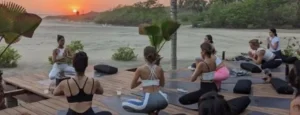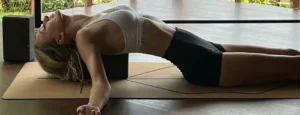


Choosing a yoga teacher training program in Bali can feel exciting and overwhelming at the same time. Bali offers beautiful surroundings, experienced teachers, diverse yoga styles, and immersive training environments. However, the best yoga teacher training Bali is not simply the one held in the most beautiful location. It should match your experience, preferred yoga style, teaching ambitions, schedule, learning preferences, and personal goals.
Before booking, take time to understand the curriculum, certification, teaching methodology, accommodation, daily schedule, and level of support. When you know what you want from your training, comparing programs becomes much easier, and your Bali experience can become more meaningful.
Start by Defining Your Yoga Goals
The first step is to understand why you want to complete advanced yoga teacher training. Some people want to become professional yoga teachers. Others want to deepen their personal practice, understand yoga philosophy, explore meditation, or experience a period of personal growth. Your goal can influence the type and length of training you need.
For example, a beginner may benefit from a foundational program. Someone who already has substantial training may want an advanced course. If you want to specialise, you may prefer Yin Yoga, Hatha, Vinyasa, or a Yin and Yang combination. Write down your top three goals before researching schools. This gives you a clear framework for comparing programs.
Choose the Right Yoga Style
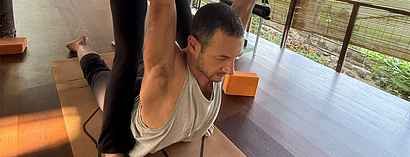
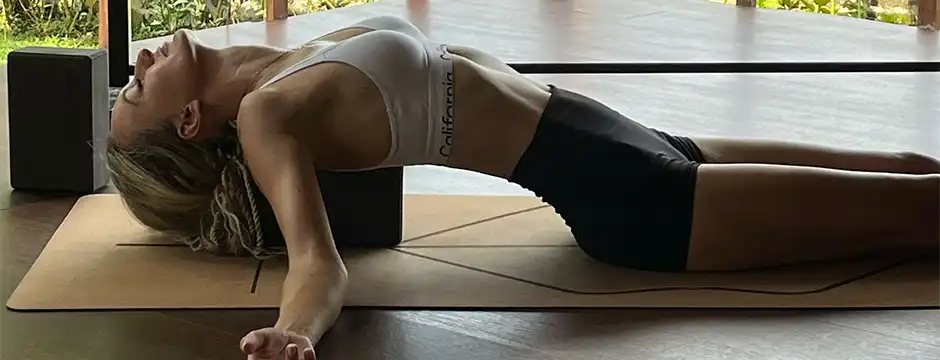
Yoga teacher training programs can vary considerably in their approach. Some focus heavily on dynamic practices. Others emphasise stillness, mobility, meditation, anatomy, or therapeutic applications. If you enjoy slower, reflective practices, a Yin Yoga teacher training may suit your interests. Yin Yoga commonly involves longer-held postures and an emphasis on stillness and awareness.
If you prefer movement and strength, a program incorporating Yang practices may be more appropriate. Some Bali programs combine Yin and Yang approaches. For example, Yin Yoga Bali’s 200-hour program combines Yin and Yang practices with anatomy, yoga philosophy, Traditional Chinese Medicine, meditation, breathwork, and teaching methodology. Look beyond the course title.
Check the Training Level and Duration
The number of training hours matters because different programs serve different stages of learning. A shorter yoga training program may work well if you want to specialise or deepen your knowledge without committing to several weeks. A 200-hour program may be more suitable if your objective is comprehensive foundational teacher education.
Advanced practitioners may consider a 300-hour program. Yin Yoga Bali’s 300-hour course, for example, is designed for practitioners who have already completed at least 200 hours of yoga teacher training. An intensive residential course can involve several hours of practice and study every day. Make sure you are comfortable with that schedule before enrolling.
Investigate the Certification
Certification is another important consideration, particularly if you plan to teach professionally. Check whether the school is affiliated with a recognised organisation and understand what the certification actually represents. Yoga Alliance recognition is commonly considered by students researching international yoga teacher training. Yin Yoga Bali states that its programs include Yoga Alliance-recognised certifications, including RYT-200 and RYT-300 pathways for its respective programs.
However, do not choose a program solely because of its certification. Look at what the certification requires. Check attendance expectations, practical teaching requirements, assessments, assignments, and the curriculum behind the certificate. A certificate is most useful when it comes with practical knowledge and teaching confidence.
Examine the Curriculum Carefully
A strong curriculum should cover more than yoga poses.
Look for subjects such as:
- Yoga philosophy
- Anatomy and physiology
- Alignment
- Sequencing
- Teaching methodology
- Breathwork
- Meditation
- Sanskrit terminology
- Modifications and props
- Practical teaching
- Ethics
- Specialised yoga applications
If you are interested in Yin Yoga, explore whether the program covers areas such as fascia, functional anatomy, meridian theory, mindfulness, and therapeutic applications.
This level of detail can help you determine whether the program actually matches your learning objectives.
Look at the Teachers
The teachers can have a major influence on your training experience. Read their professional backgrounds. Look at their teaching experience, areas of specialisation, qualifications, and teaching philosophy. You should also consider whether their approach matches the way you want to learn.
A teacher may have extensive experience but specialise in a style that does not interest you. Another instructor may have a teaching philosophy that closely matches your own goals. Whenever possible, watch sample classes or read genuine student experiences before making your decision.
Consider the Teaching Practice
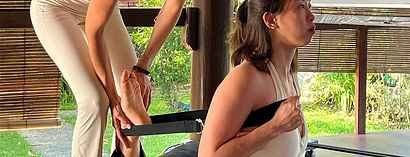
Learning to perform yoga poses is different from learning to teach them. If your goal is to become a yoga teacher, practical teaching experience should be an important part of your selection process. Look for the best yoga teacher training Bali that allows students to practice sequencing, demonstrate poses, give verbal instructions, manage class timing, and receive feedback.
Teaching labs can help you gradually develop your own teaching voice. Ask whether students teach complete classes or only practice small sections. Also find out how much individual feedback instructors provide. These details can make a significant difference when transitioning from student to teacher.
Review Accommodation and Meals
Residential yoga teacher training can become your home for several weeks. Therefore, accommodation deserves careful attention. Check whether the program offers private or shared rooms, bathrooms, air conditioning, Wi-Fi, recreational facilities, and spaces for relaxation.
Food is equally important during intensive training. Ask what meals are included and whether dietary preferences can be accommodated. Yin Yoga Bali, for example, states that its residential training includes accommodation and meals, with options for private or shared rooms and dietary accommodations when communicated in advance. Comfort does not need to be luxurious, but your environment should support rest and concentration.
Understand the Daily Schedule
A beautiful retreat environment cannot compensate for a schedule that does not suit you. Ask for a typical daily timetable before enrolling. Some programs begin early with meditation or practice and continue with anatomy, philosophy, workshops, teaching labs, and evening sessions. Understanding the schedule helps you prepare mentally and physically for the intensity of the experience.
Consider the Location and Overall Environment
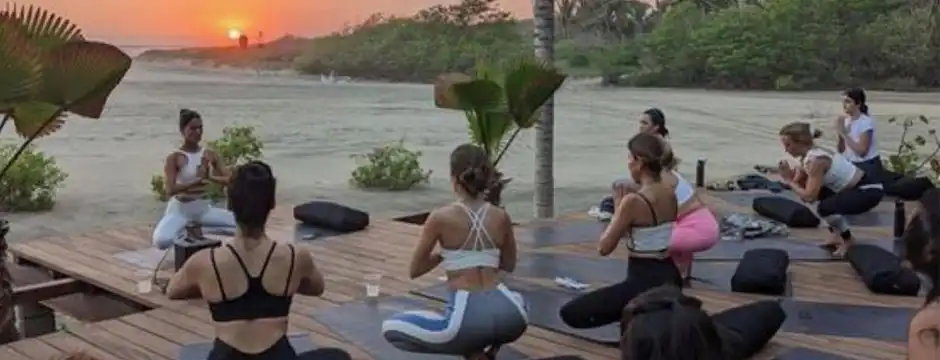
Bali itself offers many different environments. You might prefer a peaceful rural setting, a wellness-focused retreat environment, or a location closer to beaches and cultural attractions. Think about the kind of atmosphere that will help you concentrate.
A quieter environment can make it easier to focus on study and introspection. At the same time, proximity to nature can make your experience more enjoyable during breaks. Do not select a location based only on photographs. Research its accessibility, accommodation, surrounding environment, and distance from airports or major areas.
Compare the Complete Cost
Course fees are only one part of your overall Bali training budget.
Consider:
- Course tuition
- Accommodation
- Meals
- Flights
- Airport transfers
- Travel insurance
- Local transportation
- Personal expenses
- Optional activities
Some residential programs include accommodation and meals in their published course fees. This can make budgeting simpler. Always confirm exactly what is included before paying a deposit.
Read Reviews and Ask Questions
Student reviews can provide useful insights into the real training experience. Look for comments about teaching quality, communication, accommodation, food, practical teaching opportunities, and whether the course delivered what it promised.
However, do not rely on testimonials alone. Before booking, contact the school with specific questions. Ask about prerequisites, certification, schedule, accommodation, cancellation policies, teacher support, and what happens after graduation. A responsive and transparent school should be willing to explain these details.
Match the Course With Your Long-Term Plans
Finally, think beyond Bali. Ask yourself what you want to do after graduation. Do you want to teach private classes? Work at studios? Lead retreats? Teach Yin Yoga? Integrate yoga into another wellness profession? Or simply deepen your personal practice?
Your long-term objective should influence the course you choose. A specialised Yin Yoga program may make sense for someone who wants to focus specifically on Yin. A broader Yin and Yang program may suit someone who wants to develop a wider teaching foundation.
Bottom Line
Finding the Best Yoga Teacher Training Bali program starts with understanding your own goals. Consider your preferred yoga style, training level, certification requirements, curriculum, teachers, practical teaching opportunities, accommodation, daily schedule, location, and complete budget before making a decision. Taking time to compare these factors can help you choose a program that fits both your current experience and future aspirations.
If you are exploring a residential program focused on Yin or Yin and Yang practices, Yin Yoga Bali offers 50-, 100-, 200-, and 300-hour training options, with programs covering areas such as yoga philosophy, anatomy, meditation, breathwork, teaching methodology, and practical training. Our programs are designed for different experience levels and include residential options in Bali.