
Choosing the right yoga training program can be a life-changing decision. Whether you want to deepen your personal practice, become a certified yoga teacher, or specialise in a particular style such as Yin Yoga, the abundance of available programs can make the selection process overwhelming. From course duration and teaching methodology to accreditation and instructor experience, several factors determine the quality and value of a training program.
Making an informed comparison helps ensure that your investment of time, energy, and money leads to meaningful growth and professional success. This guide explores the most important aspects to evaluate when comparing yoga training programs so that you can confidently choose the one that aligns with your goals and aspirations.
Understand Your Goals First
Before comparing training programs, clarify why you want to enrol in yoga training.
Ask yourself:
- Do you want to teach yoga professionally?
- Are you looking for personal growth and self-discovery?
- Do you want to specialise in a specific yoga style?
- Are you interested in deepening your understanding of anatomy, philosophy, or meditation?
Your objectives will significantly influence which program is most suitable. For example, someone seeking a career in yoga instruction may prioritise certification and teaching practice, while a practitioner focused on personal wellness may value a transformational experience and spiritual immersion.
Evaluate the Curriculum
A comprehensive curriculum is one of the strongest indicators of a quality yoga training program. Compare what each course covers and how deeply the subjects are explored.
Key curriculum areas should include:
Yoga Philosophy
A strong program should explore the historical and philosophical foundations of yoga, helping students understand the deeper purpose behind the practice.
Anatomy and Physiology
Quality training includes detailed instruction on human anatomy, movement mechanics, injury prevention, and safe alignment principles.
Teaching Methodology
If your goal is to teach, evaluate how much emphasis is placed on cueing, sequencing, communication skills, and classroom management.
Meditation and Breathwork
Many reputable programs integrate mindfulness, meditation, and pranayama techniques to provide a holistic learning experience.
Specialized Topics
Some programs include unique elements such as Traditional Chinese Medicine, Yin Yoga principles, Ayurveda, trauma-informed teaching, or energy work. These specialisations can add significant value depending on your interests.
Check Accreditation and Certification
Certification matters if you intend to teach professionally.
Many yoga schools align their programs with recognised standards such as Yoga Alliance, which establishes guidelines for 100 hour yoga teacher training Bali. Accreditation can improve your credibility and increase employment opportunities at studios worldwide.
When comparing programs, verify:
- Whether the certification is internationally recognised
- If the school is registered with a reputable organisation
- Whether graduates receive continuing education opportunities
While accreditation isn’t the only measure of quality, it provides reassurance that the program meets established educational standards.
Assess the Experience of the Teachers
The instructors leading the training can dramatically impact your learning experience.
Research:
- Their teaching background
- Years of experience
- Areas of specialization
- Professional certifications
- Student reviews and testimonials
Experienced teachers often provide deeper insights, practical wisdom, and personalised guidance that can enrich your journey. Programs led by specialists in areas such as Yin Yoga, anatomy, or meditation may offer a more nuanced educational experience.
Compare Program Formats
Yoga training programs are available in several formats.
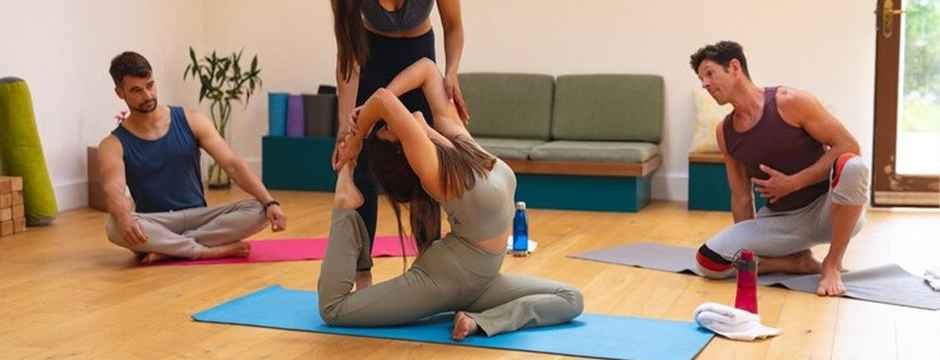
Intensive Immersion Programs
These are typically completed within a few weeks and provide an immersive environment for focused learning.
Advantages:
- Faster certification
- Deep immersion
- Strong community building
Challenges:
- Physically and mentally demanding
- Requires significant time commitment
Weekend or Modular Programs
These spread over several months.
Advantages:
- Easier to balance work and family
- More time for integration and practice
Challenges:
- Longer completion timeline
Online Programs
Virtual learning has become increasingly popular.
Advantages:
- Flexible scheduling
- Lower travel costs
- Learn from anywhere
Challenges:
- Reduced in-person interaction
- Limited hands-on adjustments
Analyse the Balance Between Theory and Practice
A well-rounded yoga training program should balance academic learning with practical experience.
Compare:
- Daily practice hours
- Teaching practicum opportunities
- Hands-on workshops
- Peer teaching sessions
- Self-study requirements
Some programs heavily emphasise theory, while others prioritise practical teaching skills. The ideal balance depends on your goals, but both components are essential for comprehensive development. Many respected Yin Yoga trainings include extensive practical sessions combined with anatomy, philosophy, and mindfulness education.
Consider Class Size and Learning Environment
Smaller class sizes often provide:
- More individualised attention
- Better feedback
- Stronger teacher-student relationships
- Enhanced confidence during teaching practice
Larger groups may offer:
- Diverse perspectives
- Expanded networking opportunities
- Dynamic community experiences
Additionally, consider the atmosphere of the training centre. A supportive, inclusive, and nurturing environment can significantly enhance your growth and learning.
Review Program Duration and Contact Hours
Not all yoga surf retreat Bali are structured the same way.
Compare:
- Total training hours
- Contact hours with instructors
- Self-study expectations
- Practical teaching requirements
For example, Yin Yoga programs may range from 50-hour foundational courses to 100-hour or even 200-hour specialised certifications, each offering varying levels of depth and expertise.
Ensure the program’s scope matches your desired level of knowledge and commitment.
Read Reviews and Testimonials
Student feedback provides valuable insight into what a program is really like.
Look for comments regarding:
- Instructor quality
- Curriculum effectiveness
- Organisation and support
- Personal transformation
- Post-graduation outcomes
Consistent positive reviews often indicate a reliable and impactful training experience. Pay attention to recurring themes rather than isolated opinions.
Compare Costs and Overall Value
Price should never be the sole deciding factor.
Instead, evaluate overall value by considering:
- Tuition fees
- Accommodation and meals
- Study materials
- Certification costs
- Additional workshops or mentoring
- Lifetime access to resources
A higher-priced program may offer superior instruction, personalised mentorship, and long-term professional support. Conversely, a lower-cost option may still provide excellent education if it aligns with your goals.
Focus on return on investment rather than simply choosing the cheapest option.
Evaluate Community and Ongoing Support
A strong yoga community can continue supporting your growth long after training ends.
Consider whether the program offers:
- Alumni networks
- Continuing education opportunities
- Mentorship programs
- Teaching referrals
- Online support groups
The relationships built during training often become valuable professional and personal connections throughout your yoga journey.
Wrapping Up
Comparing yoga training programs effectively requires more than looking at price or location. The best choice depends on your personal goals, preferred learning style, desired certification, instructor quality, curriculum depth, and long-term aspirations. By carefully evaluating each of these factors, you can select a program that provides meaningful education, personal transformation, and professional development.
If you’re seeking a deeply immersive and specialised Yin Yoga experience in a supportive environment, consider exploring the programs available at Yin Yoga Bali, where students can deepen their practice while learning from experienced teachers in one of the world’s most inspiring yoga destinations.