
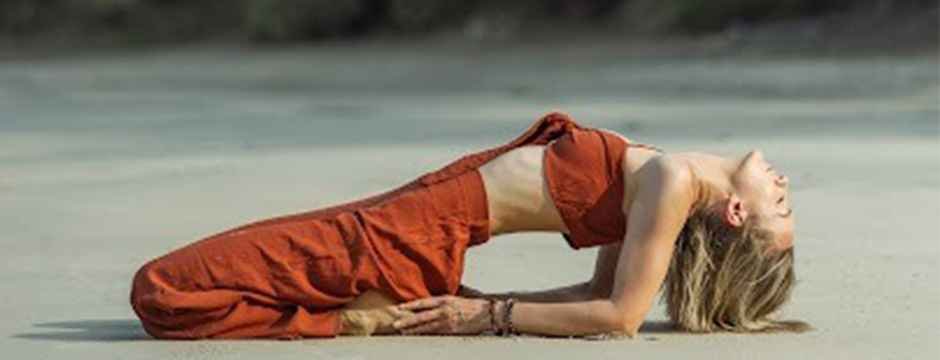
Yoga training is about much more than learning how to perform challenging poses. A well-structured yoga training program can help you understand movement, breathing, meditation, anatomy, philosophy, communication, and the art of teaching. Whether your goal is to become a professional yoga instructor or deepen your personal practice, structured training can develop skills that extend far beyond the yoga mat.
Modern teacher-training programs commonly combine practical sessions with anatomy, sequencing, breathwork, meditation, philosophy, and teaching methodology. The result is a more confident, mindful, knowledgeable, and adaptable practitioner who can approach yoga with greater awareness and purpose.
Stronger Understanding of Yoga Asanas
One of the first skills you develop through yoga training is a deeper understanding of asanas. Instead of simply copying a pose, you learn why it is performed, how the body should move into it, and how it can be modified.
Training can help you improve:
- Postural awareness
- Alignment and positioning
- Balance and stability
- Strength and flexibility
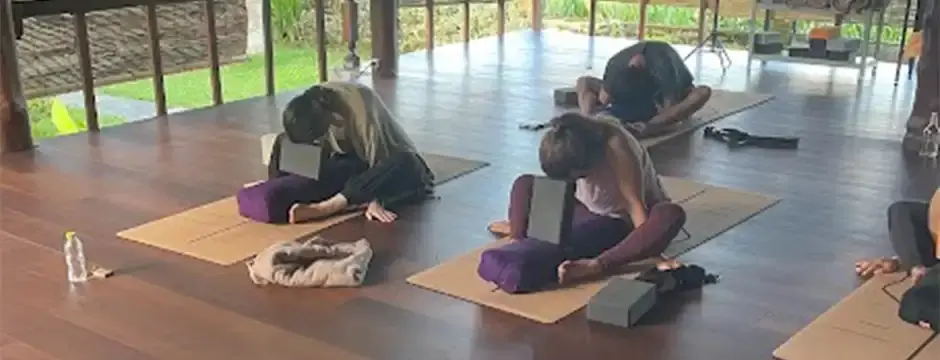
- Use of yoga props
- Safe transitions between postures
This knowledge can make your personal practice more intentional. You begin to recognise the difference between forcing yourself into a posture and creating a mindful, sustainable practice.
Anatomy and Body Awareness
Understanding the human body is an essential part of responsible yoga teaching. A Yoga Training Program often introduce anatomy and physiology relevant to movement, including muscles, joints, connective tissues, spinal mechanics, and individual physical limitations.
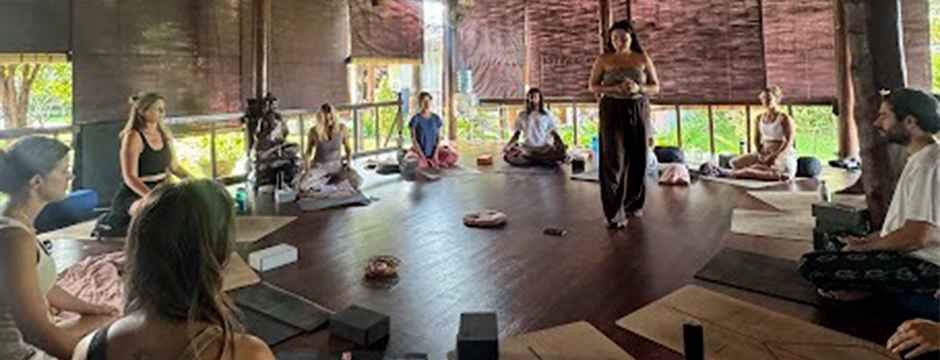
This skill helps you understand that every person’s body is different. Two students performing the same posture may need completely different modifications.
With anatomy-based learning, you can develop the ability to:
- Recognise basic movement patterns
- Understand joint and muscle involvement
- Identify potential limitations
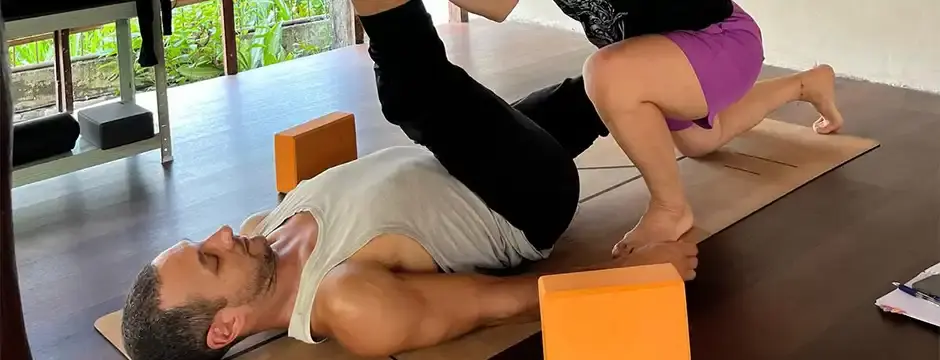
- Modify postures appropriately
- Use props more effectively
- Create safer movement sequences
Greater body awareness can also improve your own practice because you become more attentive to how movement feels rather than focusing only on how a pose looks.
Effective Breathing and Pranayama Skills
Breath is an important bridge between physical movement and mental awareness. Yoga training introduces practitioners to pranayama and teaches them how breathing patterns can be incorporated into practice.
You may learn different breathing techniques, breath awareness exercises, and methods for coordinating breath with movement. Programs that combine Yin and Yang approaches may also explore how breath supports both dynamic practices and quieter, meditative experiences.
Developing breathwork skills can help you:
- Become more aware of your breathing patterns
- Coordinate breath with movement
- Develop greater concentration
- Create calmer practice sessions
- Guide students through breath-focused exercises
For future instructors, this is particularly valuable because clear breath cues can make a class feel more connected and purposeful.
Meditation and Mindfulness
Yoga training can also strengthen your ability to remain present. Meditation and mindfulness practices encourage you to observe thoughts, sensations, and emotions without immediately reacting to them.
Regular exposure to meditation may help you cultivate:
- Better concentration
- Greater self-awareness
- Patience
- Emotional steadiness
- Present-moment awareness
- A deeper connection with your practice
Many comprehensive programs incorporate meditation alongside physical practice rather than treating it as a separate activity. Yoga teacher-training curricula can include breath meditation, Yoga Nidra, concentration practices, and other contemplative techniques.
These skills can influence everyday life as much as your time on the mat.
Class Sequencing and Planning
Knowing individual yoga poses is different from knowing how to create a complete yoga class. Training helps you understand sequencing—the process of arranging postures, transitions, breathing exercises, and relaxation into a coherent experience.
You may learn how to:
- Build an appropriate warm-up
- Progress toward more demanding postures
- Create balanced sequences
- Connect movement with breath
- Plan classes around different themes
- Adapt sessions for different experience levels
- Finish classes with appropriate relaxation
Effective sequencing makes a class feel natural rather than like a collection of unrelated poses. It also allows teachers to create sessions suited to beginners, experienced practitioners, restorative needs, or specific teaching objectives.
Communication and Teaching Skills
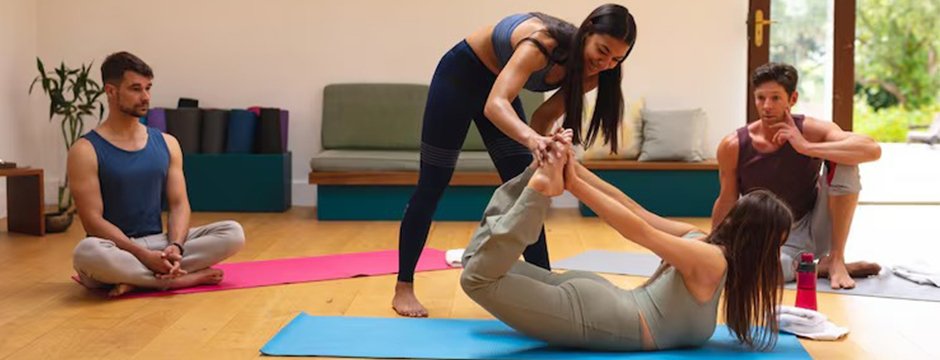
A knowledgeable yoga surf retreat Bali instructor still needs to communicate effectively. Yoga training gives you opportunities to practice speaking, demonstrating, cueing, and responding to students.
You can develop skills such as:
- Giving clear verbal instructions
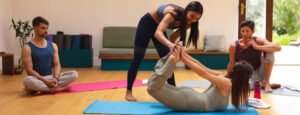
- Demonstrating postures
- Using concise movement cues
- Speaking confidently to groups
- Answering student questions
- Maintaining a welcoming atmosphere
- Adjusting your communication for different learners
Teaching practice is especially important because confidence often comes through repetition. The more opportunities you have to teach, receive feedback, and refine your instructions, the more naturally your teaching voice develops.
Adaptability and Modification
There is no single version of yoga that works identically for everyone. Students differ in age, flexibility, strength, mobility, experience, and physical needs.
A quality training program can teach you how to adapt poses with:
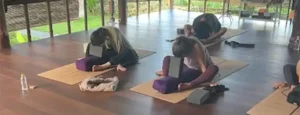
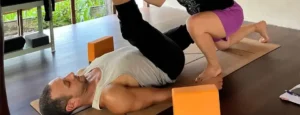
- Blocks
- Straps
- Bolsters
- Blankets
- Alternative variations
- Reduced ranges of movement
- Different sequencing approaches
This develops an important teaching mindset: rather than expecting every student to fit the pose, you learn to make the practice more appropriate for the individual.
Deeper Knowledge of Yoga Philosophy
Yoga has a philosophical dimension that extends beyond physical postures. Training programs often introduce students to yoga’s history, principles, ethics, and traditional concepts.
Studying philosophy can encourage you to explore questions around:
- Self-awareness
- Discipline
- Compassion
- Non-attachment
- Mindful living
- Personal responsibility
- The relationship between body and mind
This knowledge can give greater context to your practice and help you approach yoga as a holistic discipline rather than simply a form of exercise.
Leadership and Confidence
Standing in front of a class and guiding a group requires confidence. Yoga training creates an environment where students can gradually develop that confidence through practice and feedback.
You learn to:
- Lead groups calmly
- Make decisions during classes
- Manage time
- Respond to unexpected situations
- Encourage students
- Maintain a positive classroom presence
These leadership skills can also transfer to other areas of life. Clear communication, patience, organisation, and confidence are useful whether you eventually teach yoga professionally or simply use them in your everyday activities.
Self-Discipline and Personal Growth
Perhaps one of the most valuable skills developed through yoga training is self-discipline. Immersive programs often require consistent practice, study, reflection, and participation.
A structured yoga retreat Bali routine encourages you to become more consistent with:
- Daily movement
- Breathwork
- Meditation
- Self-reflection
- Learning
- Rest and recovery
Over time, this discipline can help transform yoga from something you occasionally practice into a meaningful part of your lifestyle.
Compassion and Empathy
Teaching yoga requires more than technical knowledge. You also need to understand that students arrive with different experiences, expectations, abilities, and comfort levels.
Training can encourage you to become a more attentive and compassionate teacher by teaching you to listen, observe, avoid judgment, and respect individual boundaries.This helps create classes where students feel supported rather than pressured to perform.
How These Skills Work Together
The real value of yoga training comes from combining these skills rather than learning them individually. For example, anatomy helps you understand a posture. Sequencing helps you place that posture appropriately within a class. Breathwork adds rhythm and awareness.
Communication helps you explain the movement. Mindfulness helps you remain present while teaching. Compassion helps you adapt the experience to the people in front of you. Together, these abilities can create a much more complete approach to yoga education.
What Should You Look for in a Yoga Training Program?
Before choosing a program, consider whether its curriculum includes a balanced combination of theory and practical learning.
Look for training that offers:
- Asana and alignment education
- Anatomy and physiology
- Pranayama and breathwork
- Meditation and mindfulness
- Yoga philosophy
- Teaching methodology
- Sequencing practice
- Practical teaching sessions
- Feedback and mentorship
- Appropriate certification
For example, Yin Yoga Bali’s programs combine Yin and Yang approaches with subjects such as functional anatomy, yoga philosophy, meditation, breathwork, sequencing, and practical teaching. Its 200-hour program is designed for beginner-to-intermediate participants and offers RYT 200 certification through Yoga Alliance.
Wrapping Up
A yoga training program can develop far more than physical flexibility or the ability to perform advanced poses. It can help you build body awareness, anatomy knowledge, breathwork skills, mindfulness, communication, sequencing ability, leadership, adaptability, and self-discipline. These skills can support both personal transformation and professional development as a yoga instructor.
If you are looking for an immersive learning experience that combines traditional yoga knowledge with practical teaching skills, Yin Yoga Bali offers Yoga Alliance-certified training programs in Bali, including 100-hour, 200-hour, and advanced 300-hour options. The school’s curriculum brings together Yin and Yang practices, anatomy, philosophy, meditation, breathwork, sequencing, and teaching methodology to create a comprehensive learning journey.
FAQs
- What skills can I develop through a yoga training program?
A yoga training program can help you develop skills in asana practice, anatomy, pranayama, meditation, mindfulness, sequencing, teaching, communication, and yoga philosophy. It can also improve confidence, discipline, body awareness, and adaptability.
- Do I need to be highly flexible to join yoga teacher training?
No. You do not need exceptional flexibility to begin yoga teacher training. A good program focuses on understanding movement, developing awareness, learning modifications, and practising safely rather than achieving advanced poses.
- Can yoga training improve my personal practice?
Yes. Structured training can deepen your understanding of poses, breathing, meditation, alignment, and yoga philosophy. This can help you practice with greater awareness and develop a more meaningful relationship with yoga.
- Is yoga teacher training useful if I do not plan to teach?
Absolutely. Even if you never become a professional instructor, training can strengthen your personal practice and help you develop mindfulness, self-discipline, body awareness, breathing techniques, and a deeper understanding of yoga.
- How do I choose the right yoga training program?
Consider the program’s curriculum, teaching methodology, practical training, anatomy education, meditation and breathwork components, philosophy, certification, teaching experience, and learning environment. Choose a course that matches your experience level and personal goals.